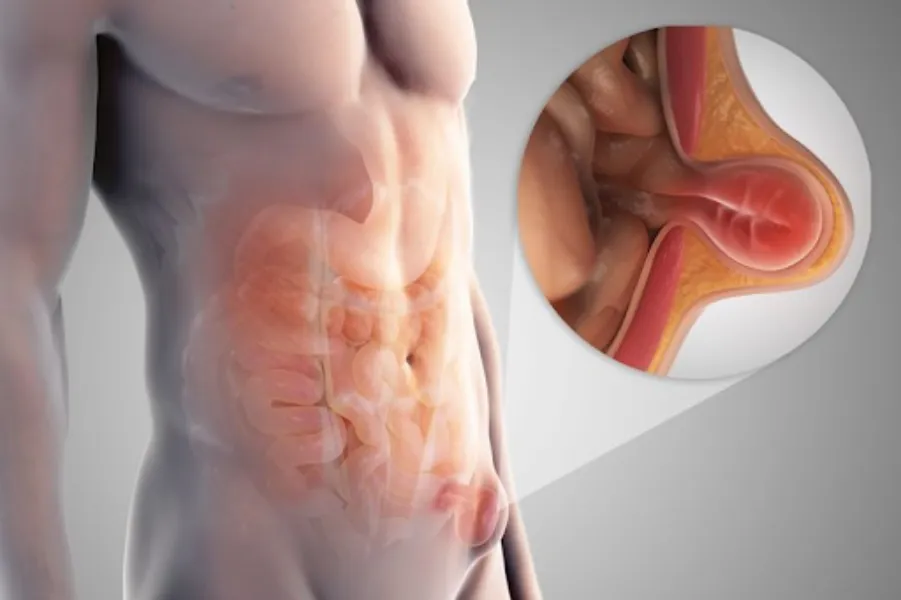
A hernia may initially appear as a small bulge that becomes noticeable while coughing, standing or lifting something heavy. Some hernias cause little discomfort, while others gradually become painful or begin interfering with everyday activities.
Choosing Hernia Surgery involves more than deciding to repair the visible bulge. The type of hernia, its size, previous operations, symptoms and surrounding abdominal wall all influence surgical planning.
Patients seeking treatment in Kharadi and the wider Pune region of Maharashtra can benefit from knowing what should be assessed before proceeding.
Start by Identifying the Hernia Type
Different hernias require different considerations.
Common abdominal wall hernias include:
- Inguinal hernia
- Umbilical hernia
- Incisional hernia
- Femoral hernia
- Recurrent hernia
- Ventral hernia
An incisional hernia, for example, develops around the site of a previous surgical incision. Its treatment considerations can be quite different from those of a first-time uncomplicated groin hernia.
Symptoms Can Help Determine Urgency
A reducible hernia may disappear when lying down or with gentle pressure. Other hernias can become persistently prominent.
Sudden severe pain, vomiting, abdominal distension or a painful bulge that no longer reduces requires prompt medical evaluation.
These symptoms may indicate that abdominal contents have become trapped.
Open Laparoscopic and Robotic Approaches
Modern Hernia Surgery can be performed through different approaches.
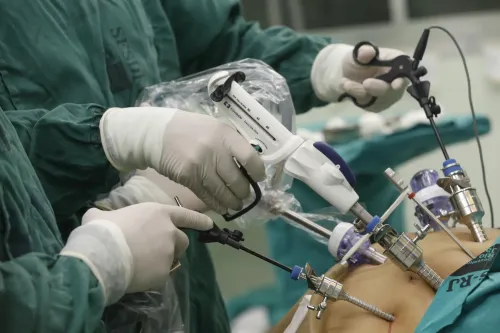
Open repair involves accessing the hernia through an incision over or near the affected area. Laparoscopic repair uses small abdominal incisions and a camera. Robotic assistance may also be considered for selected repairs.
The best approach depends on variables such as:
- Hernia location
- Defect size
- Previous repair
- Previous abdominal surgery
- Bilateral disease
- Complexity of the abdominal wall
- Patient health
- Surgeon assessment
Rather than selecting a technique because it sounds more advanced, patients should understand why it is appropriate for their particular hernia.
Ask About the Complete Repair Plan
Before surgery, it is useful to clarify:
- What type of hernia do I have?
- How large is the defect?
- Is mesh being considered?
- Which surgical approach is recommended?
- What are the risks of recurrence?
- What activity restrictions will apply?
- When can lifting and exercise resume?
- Are there factors that could affect healing?
Smoking, uncontrolled medical conditions and significant excess weight may influence wound healing and recurrence risk in some patients.
At BariFit By Dr. Parmeshwar, hernia evaluation can include assessment for conventional laparoscopic and advanced surgical approaches according to the individual condition.
For patients in Kharadi and Pune, choosing a surgeon should involve understanding experience with the specific type of hernia being treated, the proposed technique and the postoperative plan. A well-planned repair considers not just the current bulge but also the abdominal wall, patient risk factors and the likelihood of maintaining a durable repair.
Keywords