

The size of an incision is only one difference between traditional open surgery and minimally invasive techniques. Access to the surgical area, postoperative pain, mobility and recovery can also differ, although the actual experience depends heavily on the procedure being performed.
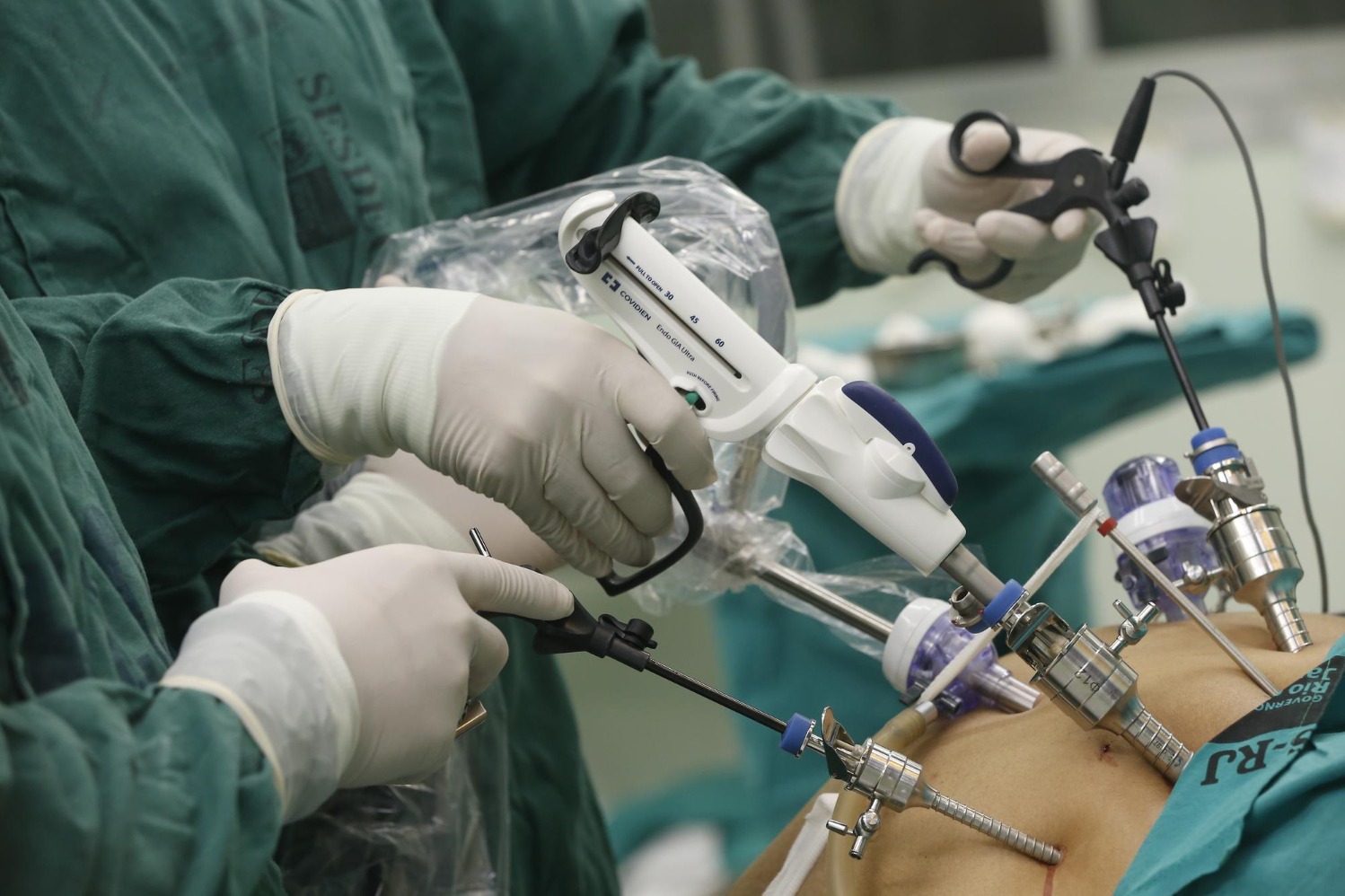
Laparoscopic Surgery uses a camera and specialised instruments introduced through small incisions to perform many abdominal operations.
For patients in Pune, the important question is not simply whether keyhole surgery is available, but whether it is appropriate for their particular condition.
What happens during Laparoscopic Surgery
The surgeon generally creates several small abdominal access points. Carbon dioxide is used to create working space within the abdomen, and a laparoscope provides a magnified view of internal structures.
Specialised instruments are then used to perform the required operation.
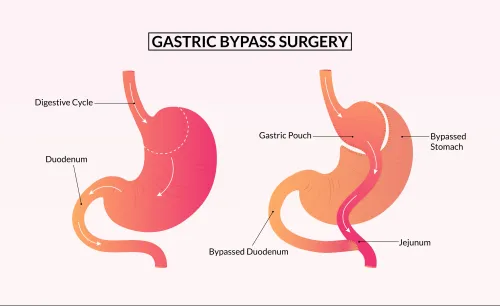
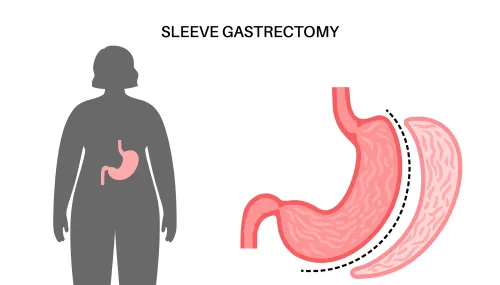
Laparoscopy may be used for procedures involving the gall bladder, appendix, hernia, gastrointestinal tract and bariatric surgery, among others.
What are the potential advantages
Compared with a larger open incision, minimally invasive surgery may provide benefits such as:
- Smaller incisions
- Reduced postoperative discomfort in suitable cases
- Earlier mobilisation
- Shorter hospital stay for some procedures
- Faster return to routine activity in selected patients
- Smaller scars
These are potential advantages rather than guarantees. The underlying operation remains important, and a complex procedure can still require substantial recovery even when performed laparoscopically.
When open surgery may still be needed
Not every operation can safely be completed using laparoscopy.
Extensive scar tissue, unusual anatomy, severe inflammation, bleeding or unexpected operative findings may make an open approach safer. Occasionally, an operation that begins laparoscopically needs conversion to open surgery.
Conversion should be understood as a safety decision rather than automatically viewed as a complication.
Preparing for the procedure
Preparation depends on the operation. Patients may need blood tests, imaging, anaesthesia assessment and evaluation of existing health conditions.
Before surgery, discuss:
- Prescription medicines
- Blood-thinning medication
- Diabetes treatment
- Allergies
- Previous abdominal surgery
- Smoking
- Fasting instructions
Following the specific preparation plan reduces avoidable problems on the day of surgery.
What recovery involves
Patients are generally encouraged to start moving as advised after surgery because mobilisation supports recovery and can help reduce certain postoperative risks.
Temporary abdominal discomfort, fatigue and discomfort related to the gas used during laparoscopy can occur.
Dietary progression, wound care and activity restrictions vary according to the operation. A laparoscopic appendectomy, gall bladder operation and bariatric procedure do not share identical recovery plans.
Risks to understand
General surgical risks include bleeding, infection, blood clots and anaesthetic complications. Laparoscopic procedures can also involve injury to surrounding organs, blood vessels or the bowel, depending on the operation.
The exact risk profile should therefore be explained in relation to the specific surgery.
Frequently asked questions
Does laparoscopy mean same-day discharge?
Not necessarily. Discharge depends on the procedure and clinical recovery.
Will there be no pain after keyhole surgery?
No. Pain can still occur, although smaller incisions may reduce some aspects of postoperative discomfort.
Can everyone have laparoscopic treatment?
Suitability depends on the disease, previous operations, anatomy and overall health.
At BariFit By Dr. Parmeshwar in Pune, surgical evaluation can determine whether a minimally invasive approach is appropriate for the condition being treated. The safest surgical route matters more than the number or size of incisions.