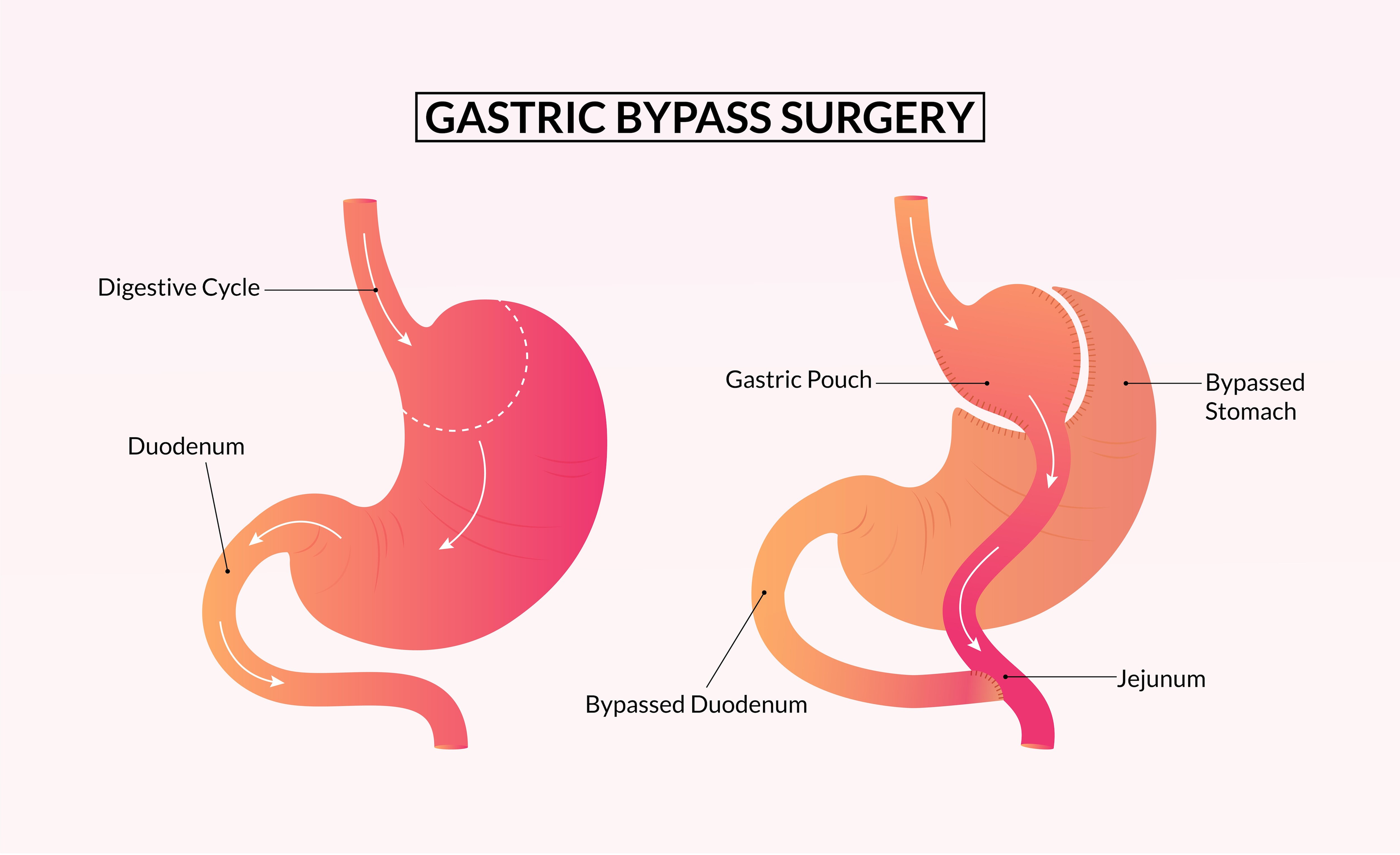
Gastric bypass is considered through more than a weight or BMI calculation. By the end, you will know which eligibility factors matter, how clinicians assess surgical risk, when bypass may offer advantages over sleeve gastrectomy, and what lifelong care the decision requires.
Key takeaways
- BMI thresholds support evaluation, but they do not guarantee gastric bypass.
- Assessment reviews health conditions, previous treatment, eating patterns, and readiness for lifelong follow-up.
- Bypass can be stronger than sleeve when diabetes or reflux needs careful consideration.
- Expect permanent nutrition changes, supplements, monitoring, and attention to possible complications.
Which eligibility factors support considering gastric bypass?
A BMI of 35 kg/m² or higher supports a bariatric surgery evaluation even without a diagnosed obesity-related complication. A BMI of 30–34.9 kg/m² can support evaluation when type 2 diabetes or another metabolic condition remains inadequately controlled despite nonsurgical treatment. These thresholds guide gastric bypass eligibility; they do not guarantee an operation.
| BMI range | What supports evaluation | Important qualification |
|---|---|---|
| 35 kg/m² or higher | Severe obesity, with or without related disease | Assess surgical risk and long-term readiness |
| 30–34.9 kg/m² | Type 2 diabetes or another metabolic complication not improved durably with treatment | Consider metabolic benefit alongside risks and alternatives |
Clinicians also look for obesity that has persisted despite structured nutrition, physical activity, medication, or supervised weight-management efforts. A short preoperative diet does not prove that you are suitable or unsuitable for surgery. The BMI for gastric bypass is only a screening measure, not a complete decision rule.
Factors that strengthen the case for a full assessment include:
- Obesity-related conditions such as type 2 diabetes, sleep apnoea, high blood pressure, fatty liver disease, or severe reflux
- Previous weight-loss attempts that produced inadequate or temporary results
- Medical fitness for anaesthesia and abdominal surgery
- Eating patterns, mental-health stability, and absence of uncontrolled substance use
- Ability to take lifelong vitamin and mineral supplements
- Willingness to attend follow-up visits, monitor diabetes, and follow dietary guidance
The bariatric surgery criteria identify people who merit specialist review. They do not replace an individual assessment of benefits, risks, and practical readiness.
What happens during a gastric bypass suitability assessment?
Clinicians determine suitability by checking whether your body can tolerate the operation, whether existing conditions are controlled, and whether you can follow the care plan afterward. A gastric bypass preoperative assessment also identifies problems that could change the procedure or require treatment first.
- Medical history and examination: review previous operations, medicines, allergies, weight history, diabetes, high blood pressure, reflux, liver disease, eating patterns, alcohol or drug use, and symptoms that need investigation.
- Bariatric surgery blood tests: check blood count, kidney and liver function, glucose or HbA1c, iron and ferritin, vitamin B12, folate, vitamin D, calcium, and thyroid function. Correct deficiencies before surgery.
- Nutrition assessment: a dietitian examines protein intake, meal habits, binge eating, food intolerances, and your ability to take lifelong vitamin and mineral supplements.
- Psychological evaluation for bariatric surgery: assess depression, anxiety, binge-eating disorder, unrealistic expectations, coping skills, and readiness for permanent eating changes. Untreated problems need support rather than concealment.
- Sleep-apnoea screening and anaesthesia review: identify breathing risks, airway concerns, heart or lung disease, and medicines that need adjustment before the operation.
Practical safety includes arranging time away from work, transport home, household support, contraception and pregnancy planning, and reliable access to follow-up. The team also confirms that you understand small protein-focused meals, supplement use, warning symptoms, and repeated reviews.
If you cannot attend follow-up or manage supplements, surgery may be delayed until that barrier has a workable solution.
When is bypass a stronger option than sleeve gastrectomy?
Bypass is the stronger choice when reflux or type 2 diabetes makes metabolic treatment as important as weight loss. Gastric bypass for GERD usually improves reflux more reliably than sleeve surgery, although it does not guarantee symptom relief; severe or unusual symptoms still need testing.
For bariatric surgery for diabetes, bypass can improve blood sugar through weight loss and metabolic effects, but remission is not guaranteed.
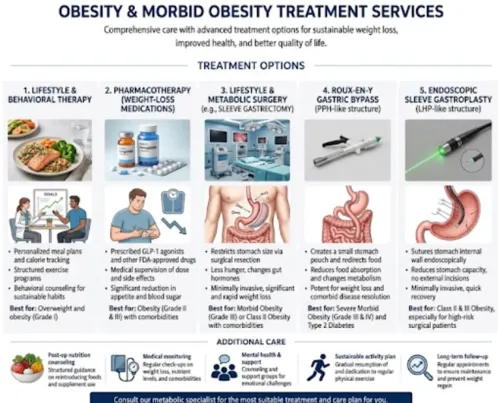
Gastric bypass versus sleeve gastrectomy | How the difference affects your decision Reflux | Bypass usually offers better reflux outcomes; sleeve can worsen or cause reflux | Choose bypass when clinically significant GERD is central to the decision Expected weight loss and diabetes | Bypass often produces greater weight loss and stronger diabetes improvement | Consider it when metabolic disease remains difficult to control Operative complexity | Bypass changes the stomach and intestine and carries more nutritional consequences | Sleeve may suit someone for whom a simpler operation lowers surgical risk Reversibility | Sleeve removal is permanent; bypass reversal is technically possible but complex and not routine | Treat bypass as a permanent long-term commitment Follow-up | Bypass requires lifelong supplements and blood tests for iron, vitamin B12, folate, calcium, and vitamin D | Choose it only if you can attend reviews and take prescribed supplements
The trade-off is bypass surgery risks and benefits: stronger reflux and metabolic effects against greater anatomical complexity, medication changes, and deficiency risk. Diabetes treatment must be adjusted with glucose monitoring, not stopped automatically, and missed follow-up can allow deficiencies or weight regain to progress unnoticed.
What lifelong changes and complications follow gastric bypass?
Your first meals follow gastric bypass diet stages: clear fluids, liquid or puréed foods, soft foods, then small regular meals. Advance only on your surgical team’s schedule. Eat slowly, chew thoroughly, prioritise protein, and separate fluids from meals if advised; rushing, large bites, or dry meat can cause pain, vomiting, or food intolerance.
Make these actions routine:
- Take prescribed gastric bypass vitamin supplements, including a bariatric multivitamin, iron, vitamin B12, folate, calcium, and vitamin D.
- Check blood counts, ferritin, B12, folate, calcium, and vitamin D at scheduled reviews. Iron B12 folate calcium vitamin D deficiency can develop despite taking supplements.
- Ask your pharmacist to review every medicine. Avoid ibuprofen, naproxen, and other nonsteroidal anti-inflammatory drugs unless your surgeon specifically approves them; some extended-release tablets also need alternatives.
Dumping syndrome after gastric bypass causes cramps, sweating, palpitations, dizziness, or diarrhoea after meals, especially sugary drinks or concentrated sweets. Eat smaller meals, choose protein and fibre, and avoid drinking with food; recurrent episodes need clinical review.
Use reliable contraception before surgery because fertility can improve quickly. Delay pregnancy until weight and nutrition stabilise, commonly 12–18 months, then arrange obstetric and bariatric monitoring for deficiencies and fetal growth.
A marginal ulcer or internal hernia can occur later. Seek prompt assessment for persistent upper-abdominal pain, repeated vomiting, black stools, faintness, or unexplained anaemia, and do not dismiss these signs as indigestion.
How should you decide whether bypass fits your long-term plan?
A safe operation is only part of a workable long-term plan. Your decision should account for anaesthetic and surgical risk, eating or mental-health conditions, substance use, medication needs, and whether you can take prescribed supplements. Ask when gastric bypass is not suitable for you, and which problems must be treated before surgery.
Check whether you can commit to long-term gastric bypass follow-up rather than relying on the operation alone. Missing visits can leave iron, vitamin B12, folate, calcium, or vitamin D deficiency untreated, and medication problems or abdominal symptoms unnoticed.
- Confirm how often weight, blood pressure, nutrition blood tests, reflux, and abdominal symptoms will be reviewed.
- Agree on a diabetes plan: glucose checks and medication changes must continue after surgery because remission is possible but not guaranteed or permanent.
- Ask what happens if gastric bypass weight regain occurs, including dietitian-led treatment, medicines, endoscopic options, or revision assessment.
- Identify who provides bariatric surgery patient support when eating difficulties, low mood, dumping symptoms, or pregnancy planning arise.
Specialist support matters most when diabetes has lasted many years, you use insulin, or you have limited pancreatic reserve; these factors reduce the chance of remission. At BariFit By Dr Parmeshwar, ask who coordinates surgical, nutrition, diabetes, psychological, and pregnancy-related care, and what happens if you miss a review or develop a late complication.
The right choice is the one with a safety plan and follow-up you can realistically sustain.
Related service
Gastric Bypass Surgery Gastric Bypass Surgery is one of the most effective and scientifically proven bariatric procedures for long-term weight loss and improvement of... View service → |
Frequently asked questions
Which eligibility factors support considering gastric bypass?
A BMI of 35 kg/m² or higher supports a bariatric surgery evaluation. A BMI of 30–34.9 kg/m² can support evaluation when type 2 diabetes or another metabolic condition remains inadequately controlled despite nonsurgical treatment. These thresholds support assessment, not automatic approval for surgery.
What happens during a gastric bypass suitability assessment?
The assessment reviews your BMI, obesity-related conditions, previous weight-management treatment, eating patterns, medical history, medications, mental health, nutritional status, and readiness for lifelong follow-up. Your surgical team also discusses benefits, risks, alternatives, and the tests needed before a decision.
When is bypass a stronger option than sleeve gastrectomy?
Gastric bypass may be considered more strongly when type 2 diabetes requires a metabolic procedure or when significant acid reflux makes sleeve gastrectomy less suitable. The choice depends on your health history, risks, and long-term treatment goals.
What lifelong changes and complications follow gastric bypass?
Gastric bypass requires smaller meals, gradual dietary progression after surgery, vitamin and mineral supplements, blood tests, hydration, and scheduled follow-up. Possible complications include nutritional deficiencies, dumping syndrome, ulcers, bowel obstruction, gallstones, and weight regain.
How should you decide whether bypass fits your long-term plan?
Compare bypass with sleeve gastrectomy and nonsurgical care using your medical conditions, reflux or diabetes status, ability to follow nutrition instructions, tolerance for supplements and monitoring, and willingness to attend lifelong follow-up.