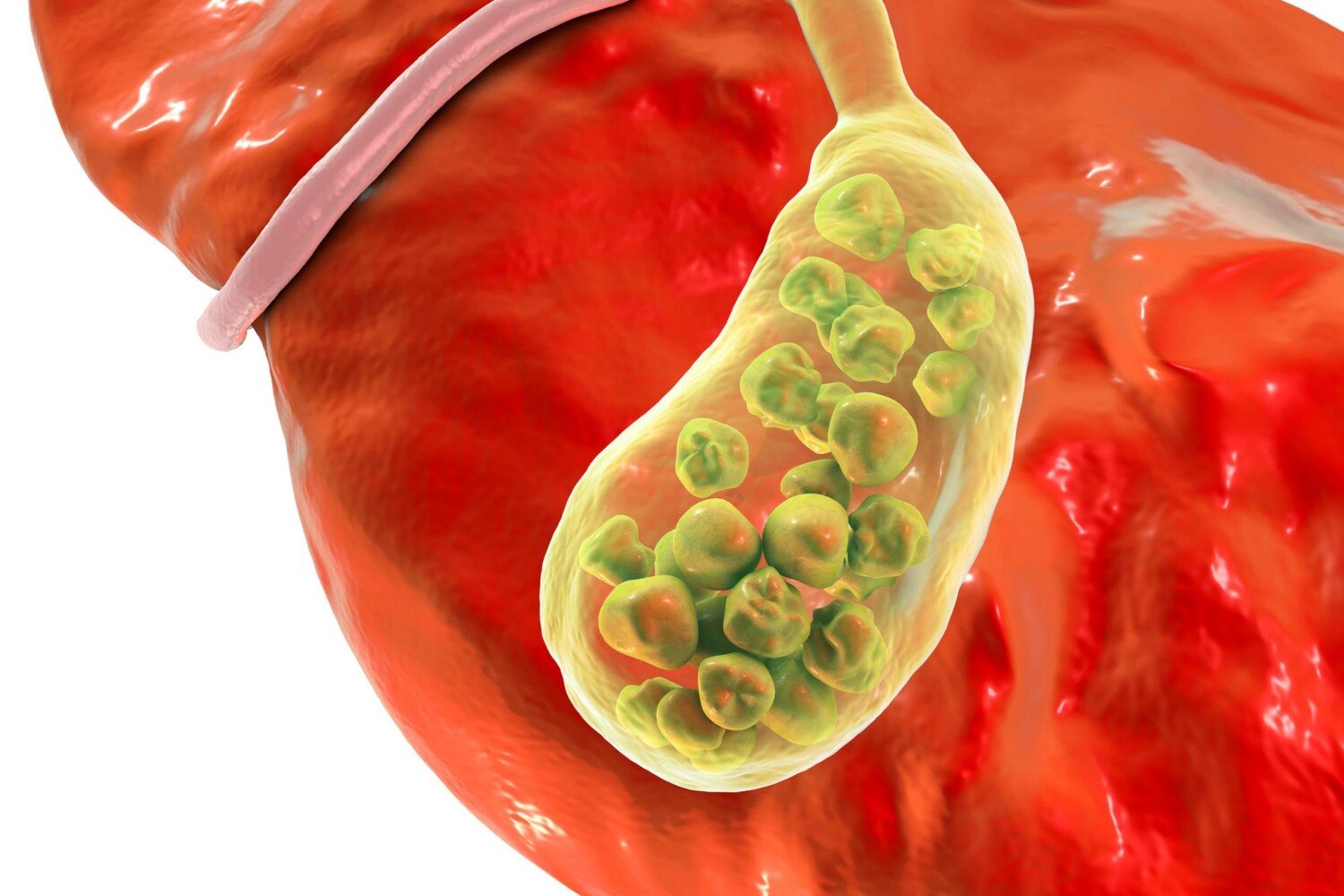
Repeated pain below the right ribs or in the upper middle abdomen is not automatically caused by gallstones. By the end, you will know which pain patterns need emergency care, which tests clarify the cause, and when observation, bile-duct treatment, or gallbladder removal becomes appropriate.
Key takeaways
- Seek urgent care for severe pain with fever, jaundice, repeated vomiting, or confusion.
- Ultrasound usually checks for gallstones and gallbladder inflammation.
- Uncomplicated, symptom-free stones often need observation rather than treatment.
- Compare surgical providers by experience, facility standards, and follow-up arrangements.
Is This Gallbladder Pain or Something Else—and When Is It Urgent?
Typical biliary colic is steady, severe right upper abdominal pain or epigastric pain lasting more than 30 minutes and sometimes several hours. Fatty meals and gallbladder pain often occur together, with discomfort spreading to the right shoulder or back.
| Pattern | More suggestive of |
|---|---|
| Biliary colic | Steady upper-abdominal pain after eating; not relieved by stool or antacids |
| Gastritis or peptic ulcer disease | Burning or gnawing epigastric pain linked to meals |
| Acid reflux | Heartburn, sour fluid, or pain when lying down |
| Pancreatitis | Severe, constant upper-abdominal pain reaching the back, with vomiting |
| Liver disease or bile-duct blockage | Pain with jaundice, dark urine, or pale stools |
| Kidney stone | Flank pain moving toward the groin, often with urinary symptoms |
| Appendicitis | Pain shifting toward the lower right abdomen with worsening tenderness |
| Heart-related pain | Chest pressure, breathlessness, sweating, or pain spreading to the arm or jaw |
Fleeting pain, pain relieved by passing stool, or symptoms dominated by heartburn are less typical of gallstones. Recurrent, self-limited attacks differ from acute cholecystitis, which causes persistent pain and tenderness; bile-duct obstruction, which causes jaundice; cholangitis, which adds infection and fever; and gallstone pancreatitis, which causes constant severe pain and vomiting.
Seek emergency assessment for fever, jaundice, dark urine, pale stools, persistent vomiting, severe or constant pain, marked tenderness, fainting, confusion, low blood pressure, or chest pressure. These signs need urgent evaluation, not a routine consultation.
Which Tests Show Whether Gallstones Explain the Pain?
The examination looks for right-upper-abdominal tenderness, guarding, fever, jaundice, and pain that worsens with pressure or movement. Symptoms alone cannot prove that gallstones caused an episode because reflux, ulcer disease, pancreatitis, and other conditions can produce similar discomfort.
| Test or finding | What it shows | What happens next |
|---|---|---|
| Abdominal ultrasound | Gallbladder stones, wall inflammation, fluid, and bile-duct widening | Usually the first imaging test |
| Liver-function tests and bilirubin | Possible bile-duct blockage or liver irritation | Abnormal results may require duct imaging |
| Pancreatic enzymes, including lipase | Pancreatic inflammation rather than stones themselves | A lipase test for gallstones helps detect gallstone pancreatitis |
A stone found incidentally in a normal gallbladder and biliary tree does not automatically explain dyspepsia, reflux, bloating, or upper-abdominal discomfort. It also does not automatically require treatment.
If ultrasound shows a dilated bile duct or liver-function tests are abnormal without a visible common-bile-duct stone, magnetic resonance cholangiopancreatography (MRCP) is the usual next test. Endoscopic ultrasound can investigate further when MRCP is non-diagnostic.
ERCP is primarily treatment for an obstructing common-bile-duct stone, not a routine diagnostic test for recurring pain. It can cause pancreatitis, so ultrasound, MRCP, or endoscopic ultrasound usually helps select patients before ERCP.
When Is Observation Reasonable, and When Is Treatment Needed?
Incidentally discovered asymptomatic gallstones in a normal gallbladder and biliary tree usually need no treatment. Monitoring is reasonable when you have no characteristic attacks. Do not assume that reflux, bloating, dyspepsia, or vague upper-abdominal discomfort comes from stones.
Recurrent, steady right-upper-abdominal or epigastric pain that fits a biliary pattern makes symptomatic gallstones; laparoscopic cholecystectomy becomes worth discussing. Surgery removes the gallbladder, not merely the current stone.
- Avoiding fatty foods may reduce attacks when fat triggers them, but it does not dissolve existing stones.
- Pain relief and observation may suit occasional, manageable symptoms, but waiting leaves the risk of another attack or a complication.
- Ursodeoxycholic acid works slowly and mainly for selected cholesterol stones when surgery is unsuitable. It does not suit every stone or patient, and stones often recur after treatment stops.
- Acute cholecystitis generally favours early laparoscopic surgery, often within one week of diagnosis when feasible, rather than repeated attacks and delayed treatment.
- A common bile duct stone may require ERCP to clear the duct, followed by gallbladder removal. ERCP and cholecystectomy are different procedures: one treats the duct; the other prevents further gallbladder stones.
- Mild gallstone pancreatitis without ongoing obstruction or cholangitis usually receives supportive care, with cholecystectomy during the same admission.
Removing the gallbladder will not necessarily cure unrelated reflux or dyspepsia. If those symptoms dominate, investigate their separate cause before choosing surgery.
What Does Gallbladder Removal Involve Before, During, and After Surgery?
1. Before surgery, the team reviews your symptoms, medicines, previous operations, allergies, and conditions such as diabetes, heart disease, or lung disease. Blood tests can check blood count, liver function, bilirubin, clotting, and kidney function; ultrasound or other imaging confirms the anatomy and checks for bile-duct stones.
An anaesthetist assesses your fitness for general anaesthesia for gallbladder surgery and gives fasting instructions.
2. During a laparoscopic cholecystectomy, the surgeon removes the gallbladder through several small abdominal incisions using a camera and instruments. You wake in a recovery area, then remain under hospital observation until pain, nausea, breathing, and vital signs are stable.
You usually start with sips of water and clear liquids, then advance to normal food as tolerated.
3. After an uncomplicated attack, planned surgery is commonly arranged once the acute episode settles and testing is complete. Acute cholecystitis changes the timetable: early surgery, often within one week of diagnosis, can prevent worsening inflammation and repeat attacks. Severe scarring, bleeding, unclear anatomy, or another safety concern can require an open gallbladder surgery conversion.
Keep dressings and wounds clean and dry as instructed, avoid heavy lifting until your surgeon permits it, and plan work around your pain, energy, and job demands. Laparoscopic cholecystectomy recovery varies with your health and surgical complexity.
Loose stools or difficulty tolerating large fatty meals can occur briefly; follow an after gallbladder removal diet based on tolerance.
Seek follow-up urgently for fever, worsening pain, repeated vomiting, jaundice, wound redness or discharge, breathing difficulty, or inability to eat and drink.
How Should You Prepare for a Gallbladder Consultation and Compare Providers?
Bring a one-page gallbladder consultation checklist, not just the ultrasound report. Record each attack date, meal trigger, pain location, duration, radiation to the back or shoulder, fever or jaundice, vomiting, current medicines, previous scans, and diagnoses such as diabetes or heart disease.
- Note whether pain followed a fatty meal and whether it stopped without treatment.
- Carry ultrasound images or a CD, the written report, blood-test results, and your medicine list.
- Include pregnancy or possible pregnancy, previous abdominal operations, obesity, diabetes, heart disease, and lung disease.
These details change anaesthesia and procedural planning. Do not stop warfarin, apixaban, rivaroxaban, aspirin, or another blood-thinning medicine unless the prescribing clinician and surgeon give you instructions.
Use this gallbladder surgery provider comparison when speaking with clinics:
| Provider feature | What to confirm | Why it matters |
|---|---|---|
| Surgeon review | The surgeon personally examines the ultrasound | Incidental stones may not explain your pain |
| Further evaluation | Liver tests, bilirubin, lipase, MRCP, or endoscopic ultrasound access | A normal scan does not exclude every bile-duct stone |
| Bile-duct stone planning | A defined pathway before ERCP | ERCP treats obstruction and is not a routine diagnostic test |
| Safety and experience | Anaesthesia assessment, emergency support, and laparoscopic experience | Risks and conversion to open surgery need preparation |
| Practical estimates | Testing, observation, recovery, and follow-up time | You can plan work, transport, and care at home |
At BariFit By Dr Parmeshwar Kharadi Pune, a surgical consultation can assess recurring symptoms without assuming that every person with gallstones needs surgery.
Related service
Gall Bladder Stone Treatment Gallbladder stones, also known as gallstones, are hardened deposits that form inside the gallbladder and can cause abdominal pain, nausea,... View service → |
Frequently asked questions
How can you tell gallbladder pain from other upper abdominal pain?
Gallbladder pain is usually steady, severe right upper abdominal or epigastric pain lasting more than 30 minutes. It can spread to the right shoulder or back and follow a fatty meal. Other causes include acid-related disease, pancreatitis, liver conditions, and heart or lung problems.
Which tests show whether gallstones explain the pain?
An abdominal ultrasound is usually the first test for gallstones, gallbladder-wall thickening, and bile-duct dilation. Blood tests such as bilirubin, liver enzymes, white blood cell count, and lipase help identify obstruction, infection, or pancreatitis. Further imaging depends on the findings.
When should gallbladder pain be treated urgently?
Seek urgent medical care for severe or persistent pain, fever or chills, yellow skin or eyes, dark urine, pale stools, repeated vomiting, fainting, confusion, or marked tenderness. These symptoms can indicate infection, bile-duct blockage, or pancreatitis.
When is observation reasonable for gallstones?
Observation is reasonable when gallstones cause no symptoms and there is no gallbladder inflammation, bile-duct obstruction, or related complication. Recurrent biliary colic, inflammation, pancreatitis, or obstruction requires a treatment discussion.
What happens during gallbladder removal surgery?
Laparoscopic cholecystectomy removes the gallbladder through small abdominal incisions under general anaesthesia. Your surgeon will explain preparation, possible conversion to open surgery, expected recovery, diet progression, wound care, and warning signs before discharge.