Repeated abdominal pain, vomiting, bleeding, a lump, abnormal imaging, or signs of infection do not automatically mean you need laparoscopy. The decision depends on what is causing the problem, how urgently it must be treated, whether you can tolerate general anaesthesia and abdominal insufflation, and whether the surgeon can remove or repair the disease safely through a laparoscopic approach.
Key takeaways
- Seek prompt care for guarding, fever, worsening pain, or an irreducible hernia lump.
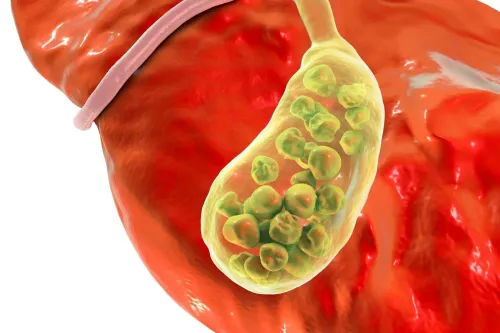
- Recurrent post-meal right-upper-abdominal pain can indicate symptomatic gallstones.
- CT, ultrasound, blood tests, and your medical history guide laparoscopic suitability.
- Ask how surgeons will manage unexpected findings or convert to open surgery.
Which symptoms and findings make surgery worth considering?
Surgery becomes worth an operative assessment when abdominal pain is recurrent, severe, progressive, or linked to a structural problem. Repeated right-upper-abdominal pain after meals suggests symptomatic gallstones; persistent vomiting raises concern for obstruction, inflammation, or inability to maintain hydration. Abdominal tenderness, guarding, fever with worsening pain, or a painful irreducible hernia lump needs prompt examination.
| Finding | Usual next step | Why it matters |
|---|---|---|
| Severe pain with guarding, fever, faintness, or a rigid abdomen | Urgent hospital assessment | Possible perforation, infection, obstruction, or strangulation |
| Painful irreducible hernia lump, persistent vomiting, or marked bloating | Urgent surgical review | Trapped or compromised bowel can deteriorate quickly |
| Vomiting blood, black stools, or heavy gastrointestinal bleeding | Emergency assessment | Blood loss or an upper gastrointestinal injury may require resuscitation, endoscopy, or surgery |
| Stable recurrent pain, weight loss, or mild bleeding | Prompt testing | Medication, endoscopy, colonoscopy, ultrasound, CT, or biopsy may come first |
| Abnormal ultrasound or CT scan | Surgical consultation | Stones, inflamed organs, obstruction, masses, or perforation may require intervention |
Stable symptoms allow time for medication, endoscopy, colonoscopy, or further imaging. Weight loss and gastrointestinal bleeding still require investigation, even without severe pain.
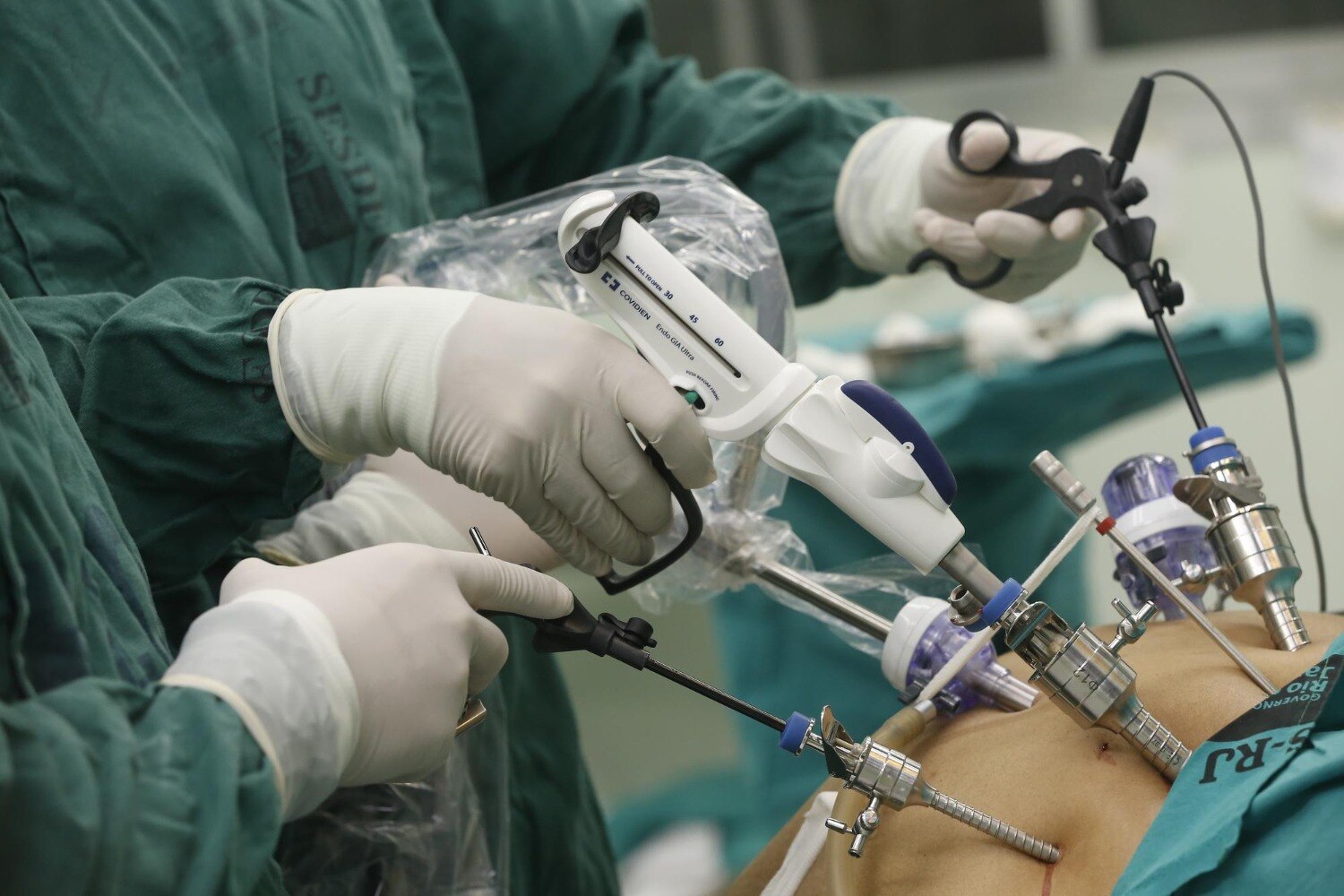
Laparoscopy describes the access method, not the diagnosis. The operation might remove an organ or mass, repair a hernia, drain an abscess, take a biopsy, or explore the abdomen; extensive disease, unsafe anatomy, or poor exposure can make open surgery safer.
Which conditions are commonly treated, and when is timing urgent?
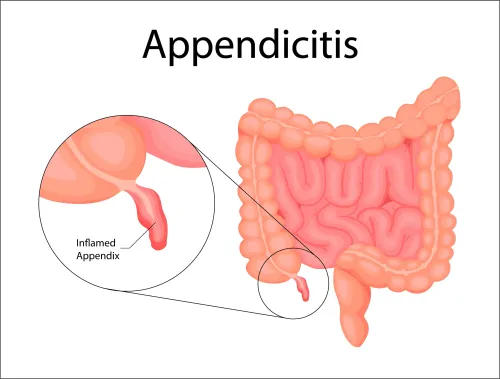
Laparoscopy may be considered for repeated biliary pain from gallstones, acute cholecystitis, uncomplicated appendicitis, selected inguinal or ventral hernias, reflux with a hiatus hernia, bowel obstruction, diverticular disease, colorectal disease, and selected abdominal masses. Laparoscopic hernia repair, gallbladder removal, appendectomy, reflux repair, and bowel operations are different procedures that share the same access method.
Timing depends on the danger of waiting.
| Situation | Usual timing | Why the plan changes |
|---|---|---|
| Suspected perforation, strangulated hernia, worsening appendicitis, or bowel obstruction | Urgent hospital assessment and possible surgery | Delay can allow sepsis, bowel death, or worsening contamination |
| Appendiceal abscess or inflammatory phlegmon | Antibiotics, with or without image-guided drainage, may come first | Inflamed tissues can make immediate dissection unsafe |
| Uncomplicated gallstones or reflux with hiatus hernia | Planned operation after imaging and other tests | Symptoms need treatment, but there is no immediate loss of blood supply or bowel integrity |
| Acute cholecystitis | Early surgery, usually during the same admission when fit | Waiting weeks can allow recurrent inflammation or complications |
| Many hernia and colorectal operations | Scheduled surgery after assessment | The team can optimise medicines, nutrition, and anaesthetic risk |
For colon cancer, laparoscopy is not automatic. Bulky invasive tumours, obstruction, dense adhesions, difficult anatomy, or inadequate margins may favour open surgery or conversion.
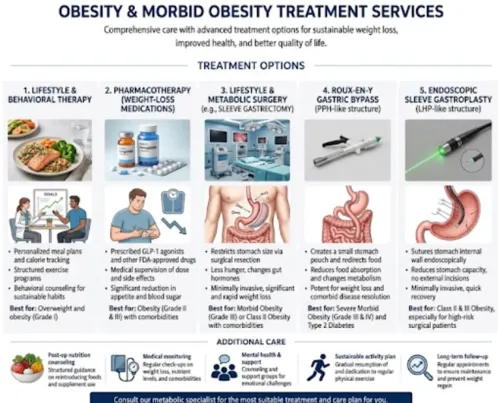
Laparoscopic access is also separate from choosing sleeve gastrectomy or gastric bypass. Metabolic-surgery discussions commonly consider adults with BMI 35 kg/m² or higher, and selected adults with BMI 30–34.9 kg/m² plus metabolic disease after unsuccessful nonsurgical treatment.
Which tests and patient factors determine whether laparoscopy is suitable?
The surgeon first confirms the diagnosis, then checks whether you can safely tolerate the proposed operation. Laparoscopy is an access method, so disease location, extent, and the procedure required matter more than the label alone.
| Test | What it helps assess |
|---|---|
| Abdominal ultrasound | Gallstones, gallbladder inflammation, bile-duct widening |
| Contrast CT | Inflammation, obstruction, perforation, hernia, abscess, or masses |
| MRI | Selected soft-tissue, liver, bile-duct, or pelvic questions |
| Upper gastrointestinal endoscopy | Reflux, ulcers, swallowing problems, or stomach symptoms |
| Colonoscopy | Rectal bleeding, altered bowel habits, polyps, or colorectal disease |
| Blood tests | Haemoglobin, white-cell count, kidney function, liver enzymes, and clotting results |
| Pregnancy test | Pregnancy status before imaging, anaesthesia, or surgery when relevant |
Suitability also depends on factors that affect entry, dissection, anaesthesia, and recovery:
- Previous abdominal operations can leave adhesions, making entry and bowel separation harder. They do not automatically rule out laparoscopy.
- Obesity can make positioning, ventilation, port access, and dissection more difficult. It is not an automatic exclusion.
- Infection, active bleeding, unclear anatomy, or disease extending beyond safe laparoscopic exposure may favour open surgery.
- Heart or lung disease must be assessed because carbon-dioxide pneumoperitoneum can reduce venous return and affect ventilation. Unstable shock or inability to tolerate general anaesthesia can make laparoscopy unsafe.
Pregnancy is not an automatic prohibition when surgery is necessary. The team plans positioning, insufflation pressure, obstetric input, and venous-thromboembolism prevention rather than delaying essential treatment.
What happens if inspection reveals a different or more difficult problem?
Diagnostic laparoscopy looks inside the abdomen; laparoscopic treatment uses that access to repair, remove, drain, or otherwise treat the problem. Inspection may confirm the suspected condition, reveal unexpected disease, or identify tissue that needs a biopsy.
The findings guide the next step:
| Finding during inspection | Possible next step | Reason |
|---|---|---|
| Confirmed, treatable condition | Laparoscopic treatment | The planned operation remains safe |
| Unexpected disease or uncertain tissue | Biopsy or a second planned procedure | Diagnosis must be established before definitive treatment |
| Poor visibility or unsafe access | Open surgery | Wider exposure gives better control |
| Disease beyond safe laparoscopic treatment | Conversion to open surgery | Complete removal or adequate margins cannot be assured |
The surgeon may convert because of uncontrolled bleeding, unclear anatomy, dense adhesions, bowel injury, extensive infection, locally advanced disease, or an inability to remove the condition with safe margins. Conversion is a safety decision, not proof that the operation failed.
Laparoscopy requires carbon dioxide to inflate the abdomen. That pressure can affect venous return, blood pressure, ventilation, and carbon-dioxide levels, so unstable shock, severe cardiopulmonary disease, or inability to tolerate general anaesthesia can make open surgery or another treatment strategy safer. A condition needing wider exposure also makes laparoscopy the wrong first choice.
Robotic assistance is a separate technical option, not an automatic improvement. Compare operating time, cost, surgeon experience, and your anatomy; broad outcomes can be similar, while the best approach varies by procedure and disease.
How should you prepare for a laparoscopic consultation and operation?
Bring your records and a written list of questions; missing an old scan or operation note can force repeat testing and delay a safe decision.
1. Take prior ultrasound, CT or MRI reports and images, endoscopy or colonoscopy results, operation notes, discharge summaries, your complete medicine list, allergy details, and information about previous anaesthetic problems.
2. Complete the pre-anaesthesia assessment and requested blood tests. These can include haemoglobin, kidney function, liver enzymes, clotting results, blood glucose, and a pregnancy test when relevant.
3. Ask for written medication instructions. Confirm what to do with warfarin, apixaban, rivaroxaban, aspirin, diabetes medicines, and supplements. Never stop an anticoagulant without the prescribing clinician’s plan; an unsafe interruption can cause a clot, while taking it at the wrong time can increase bleeding.
4. Ask exactly when fasting before surgery starts, including rules for food, water, tea, and regular medicines. Selected colorectal procedures require bowel preparation, but gallbladder, hernia, and many other operations do not.
5. Arrange an adult to drive you home after general anaesthesia and provide initial home support. Do not plan to travel home alone.
Ask which diagnosis is being treated, why laparoscopy fits, what would favour open surgery, whether biopsy or conversion is possible, and which risks apply to you. BariFit By Dr Parmeshwar in Kharadi, Pune, can provide a setting where a surgical team reviews these abdominal, gastrointestinal, colorectal, or bariatric decisions with you.
Related service
Laparoscopic Surgery commonly known as keyhole surgery, is a modern minimally invasive surgical technique used to diagnose and treat a wide range of abdominal and... View service → |
Frequently asked questions
Which symptoms make laparoscopic surgery worth considering?
Recurrent, severe, or progressive abdominal pain and symptoms linked to a structural problem warrant operative assessment. Prompt examination is needed for guarding, fever with worsening pain, or a painful irreducible hernia lump.
Which abdominal and gastrointestinal conditions are commonly treated laparoscopically?
Common examples include symptomatic gallstones, selected hernias, appendicitis, some bowel conditions, and other abdominal problems where minimally invasive access is suitable. Timing depends on the diagnosis, severity, obstruction, infection, bleeding, and risk of complications.
Which tests determine whether laparoscopy is suitable?
The assessment may include an examination, blood tests, ultrasound, CT, or other imaging, along with a review of previous operations, medical conditions, medicines, anaesthesia risks, and the suspected diagnosis.
What happens if the surgeon finds a more difficult or different problem?
The surgeon may change the procedure, take a tissue sample, repair the problem, stop and arrange another treatment, or convert to open surgery when laparoscopic access is unsafe or inadequate.
How should you prepare for a laparoscopic consultation and operation?
Bring imaging reports, medication and allergy details, previous operation records, and a clear symptom timeline. Follow fasting and medicine instructions, arrange transport and home support, and ask about recovery, warning signs, and possible conversion to open surgery.