Choosing sleeve gastrectomy requires more than meeting a BMI threshold. You need to understand how the operation changes appetite and eating capacity, how clinicians assess safety, how it compares with gastric bypass, and what long-term care involves before deciding whether it fits your health and goals.
Key takeaways
- BMI 35 kg/m² or higher supports surgery, but BMI alone does not choose the procedure.
- Sleeve gastrectomy reduces stomach capacity and changes hunger-related hormone signals.
- Preoperative evaluation covers medical, nutritional, psychological, and anaesthesia risks.
- Long-term results require protein intake, vitamin supplements, activity, and follow-up care.
Who may be a suitable candidate for sleeve gastrectomy?
Selected patients are adults whose expected benefits outweigh the risks of a permanent operation. A BMI 35 kg/m² or higher supports metabolic-bariatric surgery even without obesity-related conditions, but BMI alone does not establish that sleeve gastrectomy is appropriate.
| BMI range | What guidance means | What still needs assessment |
|---|---|---|
| BMI 35 kg/m² or higher | Surgery is recommended for adults regardless of obesity-related disease | Surgical risk, other treatment options, eating patterns and readiness |
| BMI 30–34.9 kg/m² | Consider surgery for selected adults with metabolic disease that has not improved enough with nonsurgical treatment | Diabetes control, prior treatment response and long-term follow-up capacity |
| Below BMI 30 kg/m² | Sleeve gastrectomy is not usually selected under these criteria | Individual circumstances and alternative treatments |
Your assessment should cover previous weight-loss attempts, calorie-dense grazing or liquid calories, medications, sleep apnoea, diabetes, liver disease and other conditions that affect anaesthesia or recovery. Age alone does not decide suitability; frailty, heart and lung function, mobility and overall surgical risk matter more.
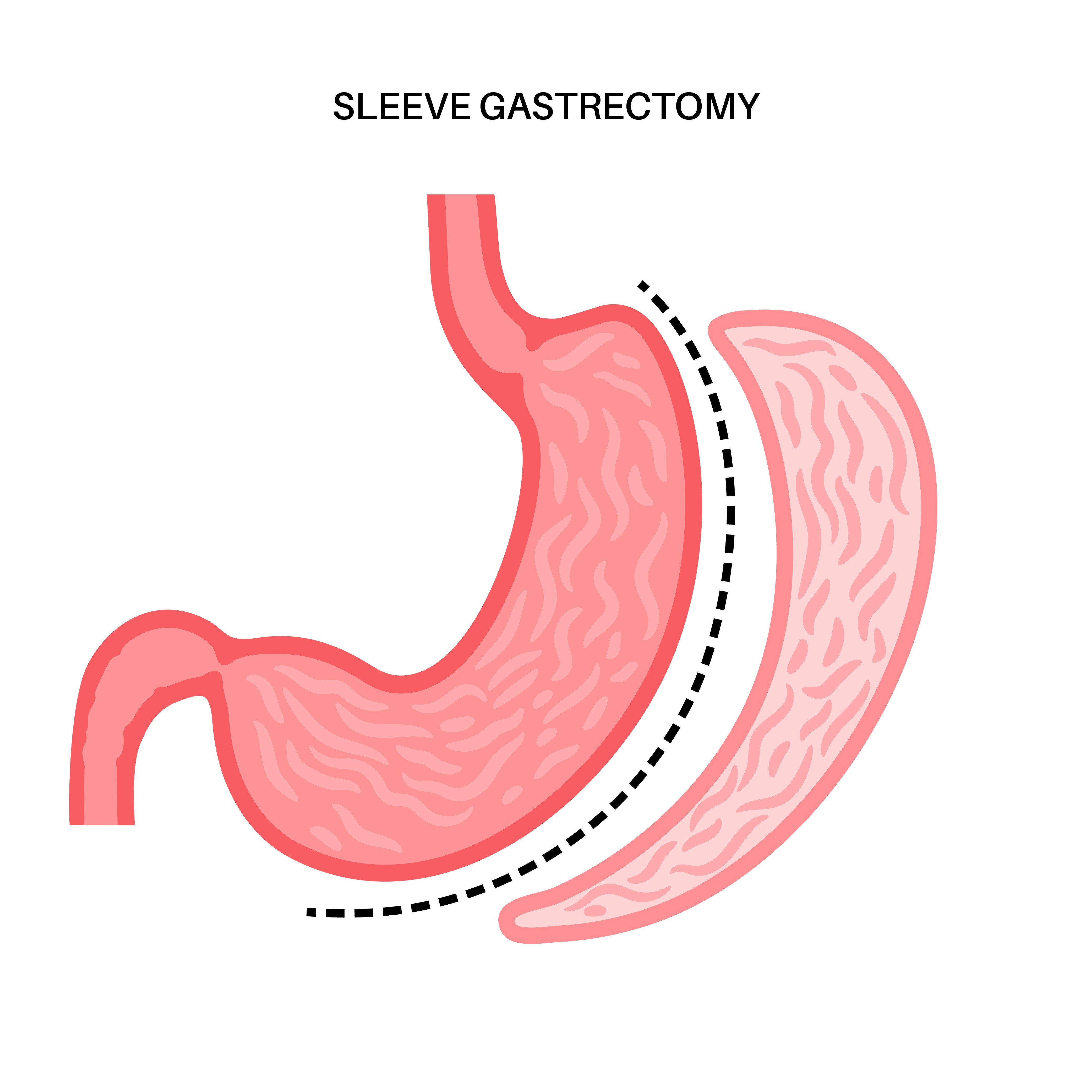
You also need to understand that sleeve gastrectomy removes roughly 70–80% of the stomach and cannot be reversed. A team may postpone or avoid surgery when uncontrolled substance use, untreated psychiatric illness, unsafe eating behavior or inability to attend long-term reviews threatens postoperative safety.
Follow-up remains necessary for weight regain, reflux, nutritional status, medication changes, mental health and pregnancy planning.
How does sleeve gastrectomy support weight loss beyond a smaller stomach?
Removing about 70–80% of the stomach leaves a narrow, tube-shaped sleeve, so each meal reaches the physical limit sooner. This reduced meal capacity helps you stop eating before a large portion becomes possible.
The sleeve also stretches with food and activates fullness signals earlier. As a result, earlier fullness can reduce portion size without relying solely on willpower. Eating slowly remains important because rapid eating can cause discomfort while still allowing excess calories over time.
Stomach emptying often becomes faster after surgery. Nutrients reach the small intestine sooner, changing signals from the digestive tract and increasing the release of gut hormones such as GLP-1 and peptide YY, which support fullness and influence blood-sugar control.
Removing the stomach fundus also lowers production of ghrelin, a hormone involved in hunger. Lower ghrelin can reduce appetite, particularly during the early period after surgery, but the size and persistence of this effect differ between patients.
These mechanisms work together rather than replace long-term care. Hunger can return, calorie-dense drinks can bypass meal limits, and biological adaptation can contribute to weight regain, so follow-up remains necessary even when appetite initially falls.
What evaluations are needed before sleeve gastrectomy?
Before surgery, clinicians assess more than BMI: they check whether your conditions, medicines, eating patterns, mental health and support plan make the operation safe and long-term care realistic.
| Assessment | What it examines | Why it matters |
|---|---|---|
| Medical history and tests | Previous weight-loss attempts, obesity-related disease, reflux, diabetes, liver disease, sleep-apnoea symptoms, blood pressure and surgical history; blood tests may include a blood count, glucose or HbA1c, liver function, iron, vitamin B12, folate, vitamin D and calcium | Untreated disease or severe reflux can change the operation choice or increase risk |
| Medication review | Prescription drugs, over-the-counter medicines, supplements, anticoagulants and diabetes medicines | Some medicines require dose changes or a planned pause before surgery |
| Nutritional assessment | Eating and drinking patterns, protein intake, liquid calories, grazing, deficiencies and your ability to follow staged postoperative meals | Existing deficiencies need correction, and poor preparation increases dehydration and malnutrition risk |
| Psychological evaluation | Depression, eating disorders, uncontrolled substance use, untreated psychiatric illness, coping skills and readiness for behaviour change | Active problems can impair consent, recovery and safe follow-up |
| Anaesthesia review | Airway, heart and lung history, sleep apnoea, previous anaesthetic reactions and current fitness for general anaesthesia | The anaesthesia plan may require sleep-apnoea treatment, extra monitoring or medical optimisation |
Ask how often follow-up will occur and who will monitor weight, reflux, diabetes, mental health, pregnancy planning and laboratory results. Lifelong supplements and periodic blood tests remain necessary even though the intestines are not rerouted.
How does sleeve gastrectomy compare with gastric bypass?
At five years, the SLEEVEPASS trial found about 49% excess-weight loss after sleeve gastrectomy versus about 57% after Roux-en-Y gastric bypass. Both produce substantial weight loss, but bypass had the higher average result in that trial.
| Comparison | Sleeve gastrectomy | Roux-en-Y gastric bypass |
|---|---|---|
| Expected weight loss | Substantial; about 49% excess-weight loss at five years in SLEEVEPASS | Slightly higher average; about 57% in SLEEVEPASS |
| Reflux risk | Can cause new reflux or worsen existing reflux | Usually improves clinically significant reflux |
| Diabetes effects | Improves type 2 diabetes through weight loss and hormonal changes | Often produces faster or stronger diabetes improvement |
| Malabsorption | Lower risk because the intestines are not rerouted | Greater risk because food bypasses part of the small intestine |
| Medication absorption | Usually changes absorption less; review extended-release or diabetes medicines after weight loss | Absorption can change more; some medicines need different forms, doses, or monitoring |
| Supplementation | Lifelong prescribed supplements and blood tests remain necessary | Lifelong supplements and monitoring are essential, often with greater attention to iron, vitamin B12, calcium and vitamin D |
Clinically significant reflux makes sleeve gastrectomy a poor fit; persistent severe reflux after surgery can require treatment or conversion to bypass. A consultation at BariFit By Dr Parmeshwar should compare your reflux history, diabetes medicines, nutritional results and follow-up capacity before treating the procedures as interchangeable.
Neither operation replaces long-term obesity care. Choose sleeve only if you accept ongoing monitoring for weight regain, reflux, diabetes, deficiencies and medication changes.
Related service
Sleeve Gastrectomy Sleeve Gastrectomy is one of the most commonly performed and highly effective bariatric surgery procedures for the treatment of obesity and morbid... View service → |
What does recovery and long-term weight management require?
Recovery requires staged eating, lifelong monitoring, and active weight-management habits. Follow your surgical team’s schedule because advancing food too quickly can cause pain, vomiting, dehydration, or injury to the healing sleeve.
| Stage | What to expect | Main priorities |
|---|---|---|
| Clear-liquid diet | Small, frequent sips after surgery | Fluids, hydration, and avoiding sugary drinks |
| Full-liquid diet | Smooth liquids as healing progresses | Protein intake and steady fluids |
| Purée stage | Blended, lump-free foods in tiny portions | Slow eating, thorough swallowing, and stopping at fullness |
| Soft foods, then regular textures | Gradual return to solid food | Small portions, careful chewing, and avoiding calorie-dense grazing |
Take prescribed vitamin and mineral supplements even when you feel well. Iron, vitamin B12, folate, vitamin D, calcium, and other levels need periodic blood tests; the absence of intestinal bypass does not eliminate deficiency risk.
Attend follow-up visits to review weight trajectory, reflux, diabetes, medications, nutrition, mental health, activity, and pregnancy planning. Weight regain is managed with structured nutrition and behaviour support, anti-obesity medication when appropriate, or revision surgery—not blame.
Seek urgent medical assessment for any of these symptoms:
- Repeated vomiting or inability to keep fluids down
- Severe or worsening abdominal pain
- Fever, fainting, confusion, or a rapid pulse
- Black stools or vomiting blood
- Breathlessness, chest pain, or one-sided leg swelling
These signs can indicate dehydration, bleeding, infection, a staple-line leak, blood clot, or narrowing of the sleeve. A delay can make treatment more difficult.
Frequently asked questions
Who may be a suitable candidate for sleeve gastrectomy?
Adults may be suitable when the expected benefits of permanent surgery outweigh its risks. A BMI of 35 kg/m² or higher supports metabolic-bariatric surgery, but the final choice also depends on health conditions, eating patterns, reflux, surgical risk, and readiness for long-term follow-up.
How does sleeve gastrectomy support weight loss beyond a smaller stomach?
The operation removes much of the stomach, reducing meal capacity and altering hunger-related hormonal signals. Weight loss still depends on eating patterns, protein intake, physical activity, and follow-up care.
What evaluations are needed before sleeve gastrectomy?
Assessment commonly includes medical history, physical examination, blood tests, nutritional review, anaesthesia assessment, and screening for sleep apnoea, reflux, diabetes, and psychological factors. Your team may add tests based on your symptoms and surgical history.
How does sleeve gastrectomy compare with gastric bypass?
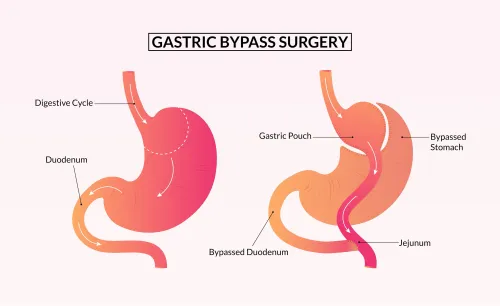
Sleeve gastrectomy removes part of the stomach without rerouting the intestine. Gastric bypass creates a smaller stomach pouch and changes intestinal food flow, which affects weight loss, reflux, nutrient absorption, medication planning, and surgical complexity.
What does recovery and long-term weight management require?
Recovery involves staged diet progression, wound care, walking, hydration, and monitoring for complications. Long-term management requires regular follow-up, adequate protein, prescribed vitamin and mineral supplements, activity, and attention to weight regain.