Robotic systems have become an increasingly visible part of modern surgery, but patients can easily misunderstand what the technology actually does. A surgical robot does not independently diagnose a condition, decide what operation is needed or perform surgery without a surgeon.
In Robotic Surgery, the surgeon controls the robotic instruments throughout the procedure.
For patients considering minimally invasive surgery in Pune and Maharashtra, understanding the practical role of the technology makes it easier to evaluate whether it adds value in their specific operation.
How Robotic Surgery works
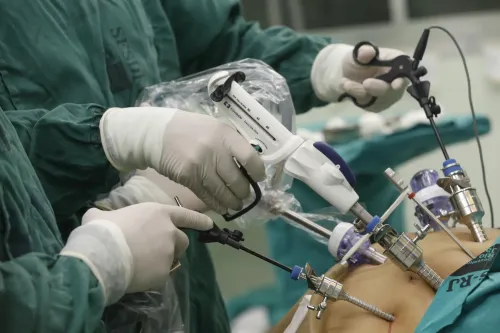
During a robot-assisted procedure, the surgeon operates from a console and controls specialised instruments placed through small incisions.
The system can provide magnified three-dimensional visualisation and articulated instruments capable of precise movements within confined anatomical spaces.
The surgeon remains responsible for every operative movement.
Where robotic assistance may be useful
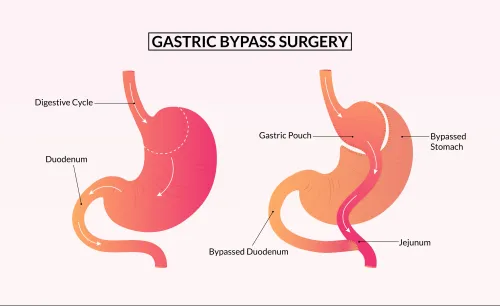
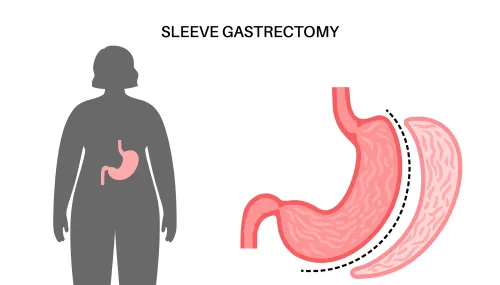
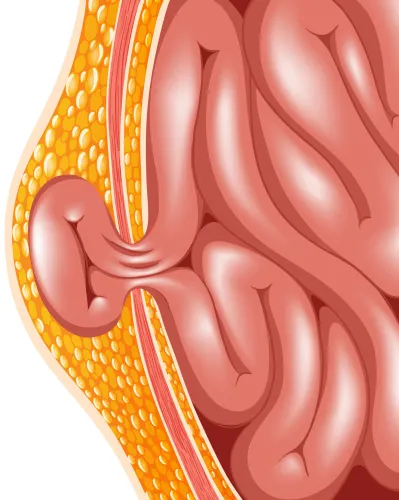
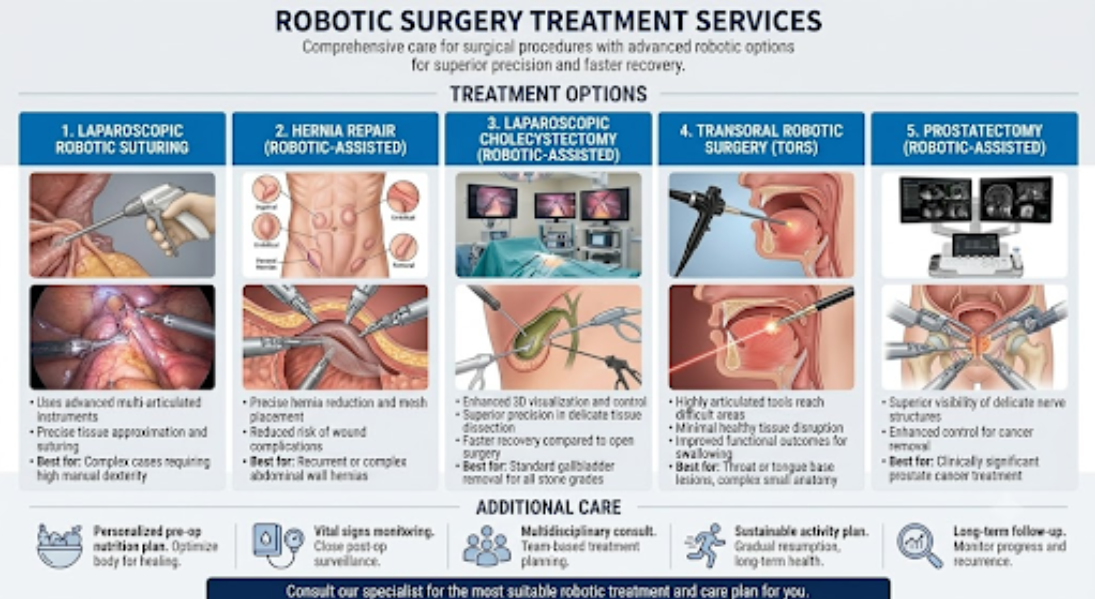
Robotic platforms can be used in selected gastrointestinal, bariatric, hernia and other abdominal procedures.
Potential technical advantages may include:
- Enhanced visualisation
- Articulated instrument movement
- Improved manoeuvrability in confined spaces
- Ergonomic advantages for the operating surgeon
- Precise dissection and suturing in suitable procedures
These technical capabilities do not mean robotic surgery is automatically superior for every patient.
How to evaluate robotic and laparoscopic approaches
Both techniques are minimally invasive. Traditional laparoscopy uses instruments controlled directly by the surgeon at the operating table, while robotic surgery uses a surgeon-controlled platform.
The appropriate choice can depend on:
- Type and complexity of operation
- Previous abdominal procedures
- Patient anatomy
- Surgeon experience
- Availability of appropriate technology
- Expected clinical benefit
A straightforward operation that can be performed safely laparoscopically does not necessarily become better merely because a robotic platform is available.
Preparation before robotic procedures
Preoperative preparation is determined mainly by the underlying operation rather than the robot.
Patients may undergo blood investigations, imaging and anaesthesia assessment. Existing illnesses and medications should be reviewed, and fasting instructions need to be followed carefully.
Patients should also understand why robotic assistance has been recommended for their particular operation.
Recovery after surgery
Because robotic procedures usually use minimally invasive access, patients may experience benefits associated with smaller incisions. Recovery nevertheless depends on the surgery itself.
Walking, dietary progression, wound care and return to work should follow procedure-specific guidance.
A patient undergoing complex gastrointestinal surgery cannot assume the same recovery timeline as someone having a less extensive operation simply because both procedures used robotic assistance.
Risks remain procedure-specific
Robot-assisted surgery still carries the general risks associated with surgery and anaesthesia.
Potential complications can include bleeding, infection, injury to surrounding structures, blood clots and the need to change the operative approach when necessary. Additional risks depend on the organ and procedure involved.
Questions to ask before choosing robotic treatment
What clinical advantage is expected in my operation?
How experienced is the surgical team with this procedure?
What alternative approaches are available?
Could the operation need conversion to another approach?
What will my recovery involve?
At BariFit By Dr. Parmeshwar, patients in Pune considering advanced minimally invasive procedures can discuss whether robotic assistance offers a meaningful advantage for their specific surgical problem. Technology is most valuable when it supports a well-chosen operation rather than becoming the reason for choosing one.
Keywords