Eligibility depends on more than a single BMI reading or a history of trying several diets. By the end, you will be able to compare the usual thresholds, understand what an assessment examines, and identify whether surgery, continued medical treatment, or delayed treatment makes sense for your circumstances.
Key takeaways
- BMI 40 or higher commonly supports referral without another diagnosed complication.
- BMI 35 to 39.9 supports referral with or without obesity-related disease.
- BMI 30 to 34.9 may qualify when metabolic disease remains difficult to control.
- Confirm nutrition, psychological, medical and surgical follow-up before choosing a procedure.
Which BMI thresholds and health problems support surgery?
BMI 40 or higher commonly supports referral for bariatric surgery, even without another diagnosed complication. Under current ASMBS/IFSO guidance, BMI 35 to 39.9 also supports referral with or without an obesity-related disease. Selected adults with BMI 30 to 34.9 may qualify when difficult-to-control metabolic disease or another substantial obesity-related problem persists despite medical treatment.
| BMI range | Clinical context | What strengthens referral |
|---|---|---|
| BMI 40 or higher | Severe obesity | Health risks are not required |
| BMI 35 to 39.9 | Obesity | Diabetes or another complication is not required |
| BMI 30 to 34.9 | Selected cases | Persistent metabolic disease or substantial obesity-related harm despite treatment |
Calculate BMI as weight in kilograms divided by height in metres squared: weight (kg) ÷ height (m)², reported in kg/m². BMI is a screening tool, not a complete decision. Waist circumference, abdominal fat distribution, muscle mass, ethnicity-related risk patterns, mobility, metabolic health, and cardiovascular risk can change what the same number means.
Conditions that strengthen the case include Type 2 diabetes, hypertension, obstructive sleep apnoea, fatty liver disease, osteoarthritis, obesity-related infertility, and cardiovascular risk. Long-standing obesity, a rising or repeatedly rebounding weight trajectory, functional limitation, frailty, and liver, kidney, or heart function also matter. There is no universal upper age cutoff.
For adolescents, referral frameworks use 120% or 140% of the 95th-percentile BMI, or BMI 35 or 40 with relevant health risks. Family participation and reliable follow-up are essential.
What does “other methods are not enough” mean in practice?
“Not enough” means appropriately delivered nonsurgical care has not produced sufficient or durable improvement for you. It does not mean you must chase the fastest available weight loss or prove that every diet has failed.
Useful evidence includes:
- Documented weight-loss attempts involving a supervised diet, exercise, and behavioural treatment for obesity.
- Inadequate weight loss despite following the plan.
- Weight regain after an initial response.
- Anti-obesity medicines stopped because of side effects, drug intolerance, cost, or lack of access.
- Persistent Type 2 diabetes, hypertension, sleep apnoea, or another obesity-related complication despite losing some weight.
Guidelines do not require a universal number of failed diets or a fixed treatment duration. The practical question is whether nonsurgical care has worked well enough, and lasted long enough, to meet your health goals. Surgery becomes a medical option when chronic disease remains inadequately controlled, not simply when you want a faster cosmetic result.
Anti-obesity medicines versus surgery involves different trade-offs:
- Medicines avoid an operation but require tolerability, affordability, ongoing access, and continued treatment; stopping them can lead to weight regain.
- Surgery often produces greater and more durable average weight loss, but it carries operative, nutritional, and follow-up risks and is not a permanent cure without lifestyle changes.
A suitable candidate understands these trade-offs, accepts lifelong monitoring and supplements, and seeks treatment for chronic disease rather than a rapid result alone.
What does the multidisciplinary assessment need to uncover?
A recommendation follows only after a multidisciplinary bariatric assessment identifies medical risks, psychological barriers, and your ability to manage lifelong care. The same BMI can lead to different decisions when reflux, organ disease, medications, or anaesthetic risk differs.
1. A bariatric surgeon, physician, dietitian, psychologist or psychiatrist, anaesthetist, and relevant specialists review previous abdominal surgery, reflux, hiatal hernia, gallstones, pancreatitis, liver or kidney disease, diabetes medicines, sleep apnoea, eating disorders, psychiatric illness, and substance use.
2. Bariatric surgery tests can include a complete blood count, iron studies, vitamin B12, folate, other vitamin levels, liver and kidney function, HbA1c, lipid and nutritional markers, sleep-apnoea testing, and abdominal imaging. An upper gastrointestinal endoscopy is added for relevant symptoms or when the proposed procedure warrants it.
3. A psychological evaluation checks whether you understand staged eating, small portions, protein, hydration, lifelong supplements, exercise, blood tests, and appointments. It aims to treat barriers, not exclude everyone with depression, anxiety, binge-eating symptoms, or past trauma.
4. Uncontrolled binge-eating disorder, untreated substance dependence, active suicidal illness, severe untreated psychiatric disease, inability to understand consent, missed follow-up, anaesthesia intolerance, or severe uncontrolled illness can delay surgery.
5. Treat correctable endocrine causes first. Complete nicotine cessation and optimise diabetes, anaemia, blood pressure, and sleep apnoea before surgery. Discuss pregnancy after bariatric surgery: conception is commonly delayed 12 to 18 months, and pregnancy or breastfeeding requires timing advice.
If follow-up, supplements, nutrition, or monitoring are not realistically available, surgery creates avoidable risk.
How do procedure choice and lifelong care affect suitability?
A BMI threshold does not determine the operation. Your reflux pattern, diabetes, medicines, anatomy, nutritional status, and ability to attend lifelong care can make one procedure safer or more useful than another.
| Procedure | Main advantages | Key trade-offs |
|---|---|---|
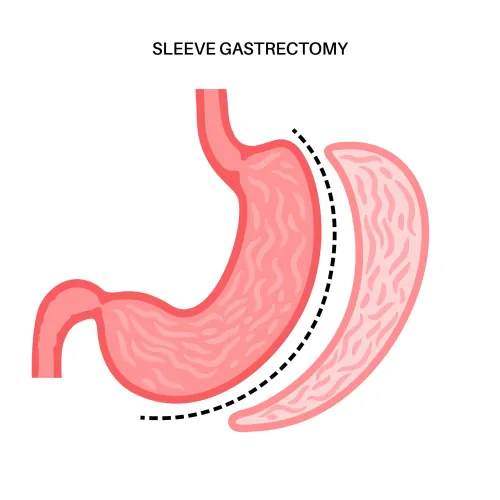
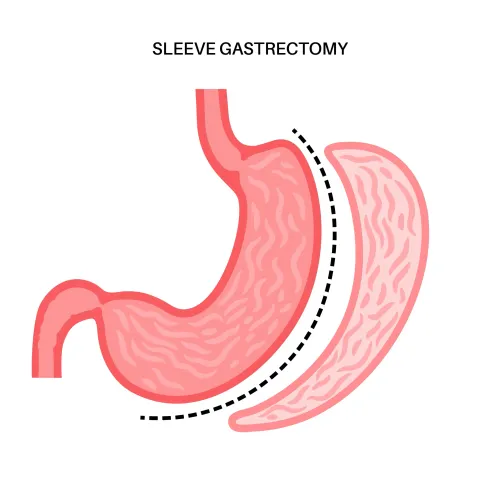
| Sleeve gastrectomy | No intestinal bypass; simpler medication absorption | Can worsen reflux; irreversible; nutritional deficiencies and weight regain remain possible |
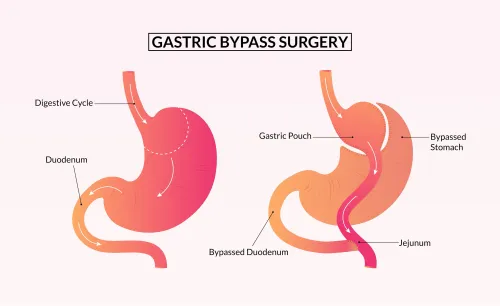
| Roux-en-Y gastric bypass | Often improves severe reflux and produces a strong diabetes response | Greater risk of deficiencies, altered medication absorption, dumping syndrome, and lifelong monitoring |
| Other procedures | Adjustable or more powerful metabolic effects in selected patients | Different risks, follow-up demands, reversibility, and possible revision surgery |
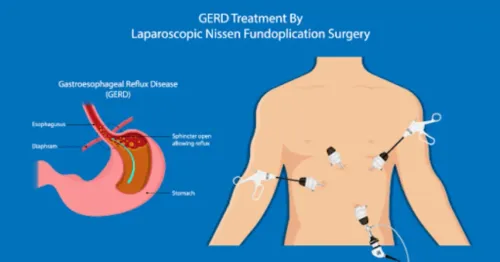
Severe reflux, reflux and hiatal hernia, oesophageal disease, or the need for long-term anti-reflux treatment can favour gastric bypass over sleeve gastrectomy. These findings guide selection; they do not automatically exclude surgery.
You must weigh bleeding, infection, leaks, blood clots, anaesthetic complications, gallstones, strictures, hair loss, weight regain, and revision surgery. Bariatric surgery follow-up is a continuing treatment plan, not a single appointment.
Your practical commitments include:
- Progressing through staged diets and eating small portions
- Meeting protein targets and drinking enough water
- Taking prescribed daily vitamin supplementation and minerals
- Building activity gradually and completing scheduled blood tests
- Planning pregnancy, usually after 12 to 18 months or until weight and nutrition stabilise
A clinic serving Kharadi or Pune, such as BariFit By Dr Parmeshwar, should match the procedure to your history and provide surgical, dietetic, psychological, anaesthetic, and laboratory follow-up.
Related services
Bariatric / Weight Loss Surgery Bariatric / Weight Loss Surgery Bariatric Surgery, also known as Weight Loss Surgery, is a specialized medical treatment designed to help individuals with obesity and morbid obesity... View service → |
Obesity & Morbid Obesity Treatment Obesity & Morbid Obesity Treatment Obesity and Morbid Obesity are complex medical conditions characterized by excessive body fat that can significantly impact overall health and... View service → |
How can you test whether a recommendation is medically appropriate?
A sound recommendation explains why surgery fits your BMI category, health risks, previous treatment, preferences, and ability to attend long-term care. Ask which guideline threshold applies to you, which complication surgery is expected to improve, what nonsurgical treatment is documented, and whether medication or further preparation remains reasonable.
Reject guaranteed weight-loss claims based on one BMI number.
- Ask the surgeon how often they perform the proposed operation, which hospital provides anaesthesia and emergency support, and what hospital support is available overnight.
- Ask for complication management plans for leaks, bleeding, clots, strictures, reflux, and nutritional deficiencies, including who can assess you after discharge.
- Request the total follow-up plan: appointment dates, supplement doses, blood-test timetable, dietitian and psychological support, revision or complication costs, and a named urgent-symptom contact.
- Confirm that you can attend continuing care in Pune or Kharadi. Discuss how Indian bariatric surgery facilities and local follow-up availability affect the plan.
| Option | What to compare | Warning sign |
|---|---|---|
| Surgery | Expected disease improvement, risks, cost, and lifelong monitoring | “Guaranteed” weight loss |
| Medication | Tolerability, affordability, access, and continuing treatment | No plan after stopping |
| Further preparation | Endocrine treatment, nicotine cessation, eating-disorder care, or illness control | Pressure to operate before problems are addressed |
Delay surgery for a correctable endocrine cause, untreated eating disorder, active nicotine use, uncontrolled illness, or inability to follow care. The right recommendation may still be surgery, medication, or preparation.
Frequently asked questions
What BMI supports referral for bariatric surgery?
BMI 40 or higher commonly supports referral without another diagnosed complication. BMI 35 to 39.9 supports referral with or without an obesity-related disease under current ASMBS/IFSO guidance.
Can someone with a BMI of 30 to 34.9 qualify for bariatric surgery?
Selected adults may qualify when difficult-to-control metabolic disease or another substantial obesity-related problem persists despite medical treatment.
What does “other weight-loss methods are not enough” mean?
It means structured efforts such as nutrition changes, physical activity, behavioural support and medical treatment have not produced or maintained sufficient improvement for your health needs.
What does a multidisciplinary bariatric assessment check?
The assessment examines medical conditions, medicines, eating patterns, psychological factors, nutrition knowledge, surgical risk, readiness for lifestyle changes and access to long-term follow-up.
How does lifelong care affect suitability for bariatric surgery?
Suitability includes your ability to attend follow-up, take prescribed vitamins and minerals, meet protein and fluid goals, monitor health markers and respond to complications.