Body weight is often discussed as if it is controlled entirely by motivation. Clinically, obesity is much more complex. Genetics, appetite regulation, metabolic factors, sleep, medicines, eating patterns, physical activity and other health conditions can all influence body weight.
Effective Obesity and Morbid Obesity Treatment therefore begins with assessment rather than simply handing every patient the same diet plan.
For individuals in Pune and elsewhere in Maharashtra, medical evaluation can help determine whether structured lifestyle care, medication, bariatric surgery or a combination of approaches should be considered.
When obesity becomes a medical concern
Body mass index is commonly used as one part of obesity assessment, but BMI alone does not describe the full impact of excess weight.
Doctors may also evaluate obesity-associated conditions such as:
- Type 2 diabetes
- High blood pressure
- Obstructive sleep apnoea
- Joint problems
- Fatty liver disease
- Dyslipidaemia
- Reduced mobility
- Gastroesophageal reflux
The severity and combination of these problems can influence treatment planning.
What Obesity and Morbid Obesity Treatment can involve
Treatment should be individualised.
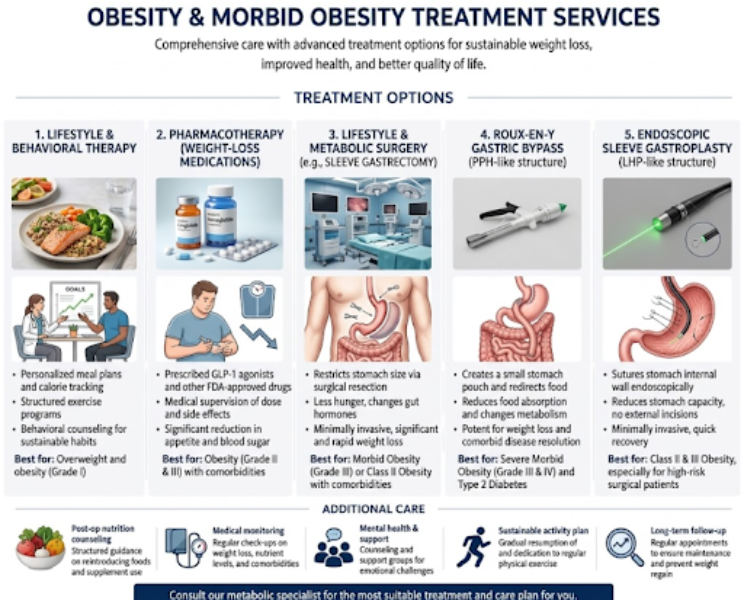
Nutrition and physical activity remain important foundations, but some patients require additional medical interventions. Depending on clinical eligibility, these may include anti-obesity medication or metabolic and bariatric surgery.
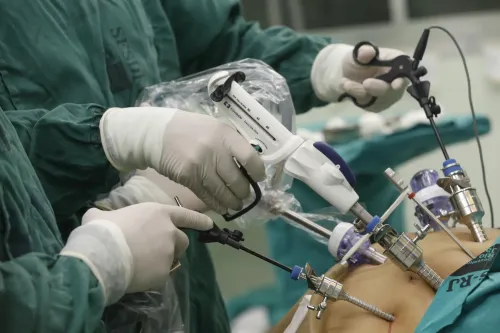
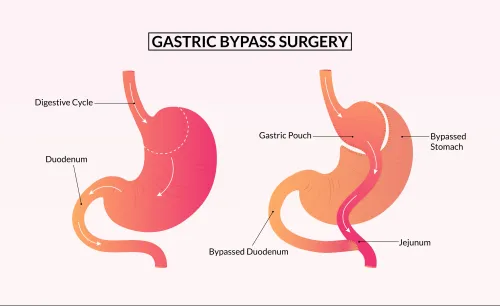
Bariatric procedures such as sleeve gastrectomy and gastric bypass are not cosmetic operations. They alter gastrointestinal anatomy and physiology to support significant weight reduction and metabolic changes in appropriately selected patients.
When bariatric surgery enters the discussion
Surgery may be evaluated when obesity reaches clinically significant levels, particularly when obesity-related diseases are present and previous non-surgical approaches have not produced sufficient durable improvement.
Eligibility is determined through medical assessment rather than a patient's weight alone.
A bariatric evaluation can consider:
- BMI and weight history
- Previous weight-management attempts
- Existing diseases
- Eating behaviour
- Nutritional status
- Surgical risk
- Psychological readiness where relevant
- Ability to maintain long-term follow-up
Preparation is part of treatment
Patients considering surgery need to understand postoperative eating before the operation takes place.
Nutritional deficiencies may need correction. Medical conditions should be optimised where possible, and patients may need additional investigations based on their health history.
Smoking and medication use should also be discussed with the surgical team.
Recovery after bariatric surgery
Hospital stay and recovery vary according to the procedure and individual condition.
Diet progresses through carefully planned stages after surgery. Adequate protein, hydration and prescribed supplementation become important parts of postoperative care.
Walking and gradual physical activity are introduced according to medical guidance.
The external surgical wounds may heal relatively quickly, but bariatric follow-up continues much longer because nutritional and metabolic monitoring remains necessary.
Benefits and risks need equal attention
Appropriately selected bariatric procedures can produce substantial weight reduction and improvement in several obesity-related conditions.
Surgery also carries risks, including bleeding, infection, blood clots and procedure-specific complications such as leakage. Nutritional deficiencies, reflux with some procedures, inadequate weight loss and weight regain can occur over the longer term.
Frequently asked questions
Is bariatric surgery a shortcut?
No. It is a medical treatment that still requires sustained behavioural and nutritional changes.
Can weight return after surgery?
Some weight regain can occur, making long-term follow-up important.
Does every person with obesity need an operation?
No. Treatment intensity should match individual clinical circumstances.
At BariFit By Dr. Parmeshwar in Pune, patients can undergo a structured evaluation before deciding how obesity should be treated. The aim is to choose an approach that fits the patient's health needs rather than reducing obesity management to a single number on the weighing scale.
Keywords