

Choosing a bariatric operation is not simply a matter of selecting the procedure associated with the greatest weight change. Existing reflux, eating patterns, metabolic health, previous abdominal procedures and long-term nutritional considerations can all influence the decision.
Gastric Bypass Surgery is one of the established bariatric procedures considered for selected patients with obesity.
People exploring bariatric care in Pune should understand how the operation works before comparing it with other weight-loss procedures.
How Gastric Bypass Surgery works
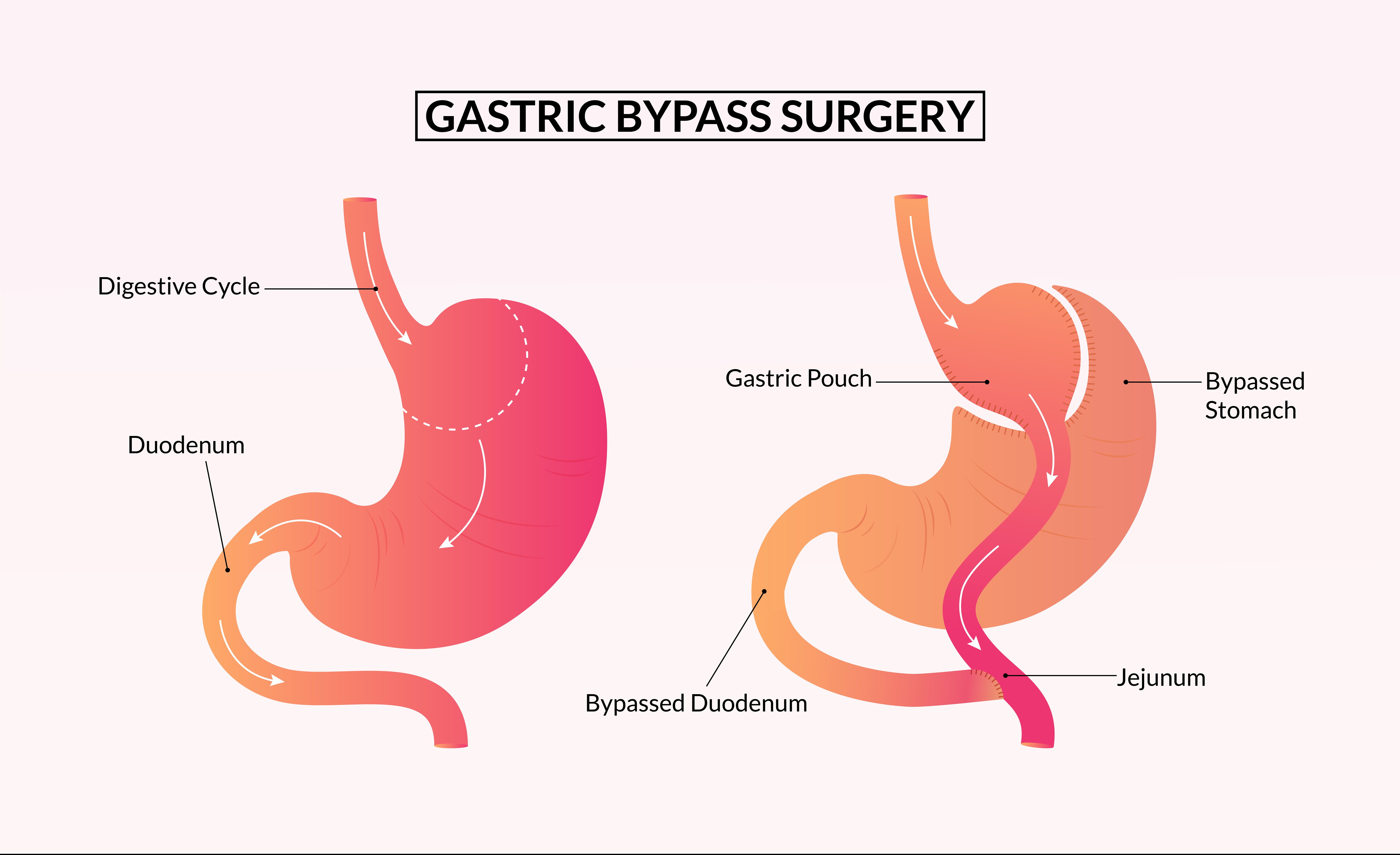
In a commonly performed gastric bypass, the surgeon creates a small stomach pouch and connects it to a lower section of the small intestine. Food therefore bypasses much of the stomach and the first portion of the small intestine.
The operation works through several mechanisms, including restriction of food intake and changes in digestion and metabolic signalling.
Because the digestive pathway is altered, long-term nutritional monitoring is particularly important.
How it differs from sleeve surgery
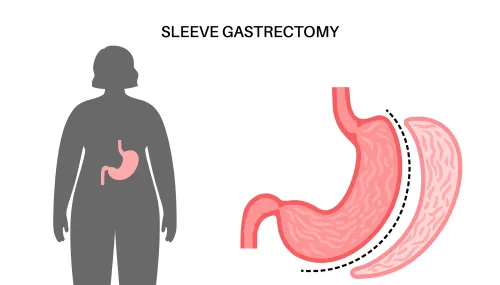
Sleeve gastrectomy removes a substantial portion of the stomach but does not reroute the intestine. Gastric bypass creates a small pouch and changes the route food takes through the digestive tract.
The procedures also differ in their implications for reflux, nutritional deficiencies and certain complications.
The better procedure depends on the individual patient rather than a universal ranking.
What happens before surgery
A bariatric assessment typically reviews body mass index, obesity-related diseases, previous weight-management attempts, eating behaviour and medical history.
Blood tests and additional investigations may be required. Nutritional assessment helps identify deficiencies that should be addressed.
Patients also need to understand that supplementation and follow-up continue long after the surgical wounds have healed.
Recovery after bypass surgery
Modern gastric bypass is frequently performed laparoscopically when clinically appropriate. Early mobilisation is encouraged according to medical advice, and food is reintroduced through a staged postoperative plan.
Patients need to eat slowly, follow recommended portion sizes, prioritise appropriate nutrition and maintain hydration.
Return to work varies according to recovery and job demands.
Benefits that may be considered
For suitable patients, gastric bypass can provide substantial weight reduction and improvement in obesity-associated metabolic conditions.
It can also be considered in bariatric planning where reflux is an important clinical issue, although procedure selection requires individual assessment.
Outcomes still depend partly on long-term eating behaviour, follow-up and adherence to nutritional recommendations.
Risks and long-term considerations
Potential early complications include bleeding, infection, blood clots and leakage at surgical connections.
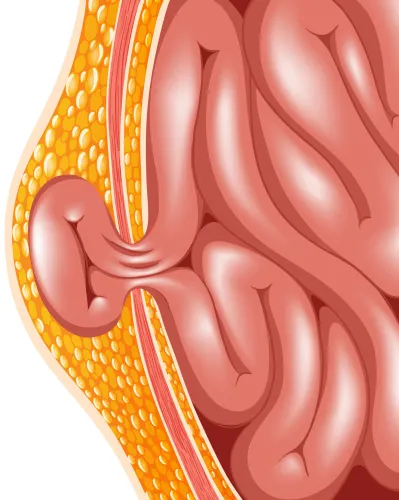
Long-term risks may include nutritional deficiencies, ulcers, bowel obstruction, internal hernia, dumping symptoms and weight regain. Lifelong monitoring may be necessary to identify nutritional problems early.
Questions worth asking your bariatric surgeon
Why is bypass being recommended for my situation?
What alternatives are clinically reasonable for me?
Which supplements will I need after surgery?
How will my nutritional status be monitored?
What symptoms after discharge require immediate medical attention?
These questions are more useful than choosing a procedure solely from online weight-loss figures.
At BariFit By Dr. Parmeshwar, patients considering bariatric surgery in Pune can be assessed for the factors that influence procedure selection. Gastric bypass should be a personalised clinical decision built around health needs, risk profile and the ability to maintain long-term follow-up