Abdominal pain can have many causes, but appendicitis requires particular attention because symptoms can progress over time. The pain may initially seem like indigestion or a general stomach ache before becoming more localised and intense.
An Appendectomy is the surgical removal of the appendix and is a common treatment for acute appendicitis. The decision is based on clinical assessment and appropriate investigations rather than abdominal pain alone.
Patients in Kharadi and across Pune, Maharashtra, should recognise the symptoms that warrant timely evaluation.
How Appendicitis May Present
The appendix is a narrow pouch attached to the beginning of the large intestine. When it becomes inflamed, symptoms can evolve over several hours.
A common pattern involves pain beginning around the central abdomen and later shifting towards the lower right side.
Other symptoms can include:
- Loss of appetite
- Nausea
- Vomiting
- Fever
- Increasing abdominal tenderness
- Pain that worsens with movement
- Changes in bowel habits in some cases
Not everyone experiences the textbook pattern. Children, older adults and pregnant patients can sometimes present differently.
Why Waiting Can Be Risky
Untreated appendicitis can sometimes progress to perforation. If the appendix ruptures, infection can spread within the abdomen and treatment may become more complex.
This is why progressively worsening abdominal pain accompanied by fever, vomiting or marked tenderness should not simply be managed repeatedly with home remedies.
Clinical examination is important.
How Appendicitis Is Diagnosed
Diagnosis can involve several components rather than one definitive symptom.
The treating team may consider:
- Location and progression of pain
- Abdominal examination findings
- Temperature and other vital signs
- Blood tests
- Urine tests
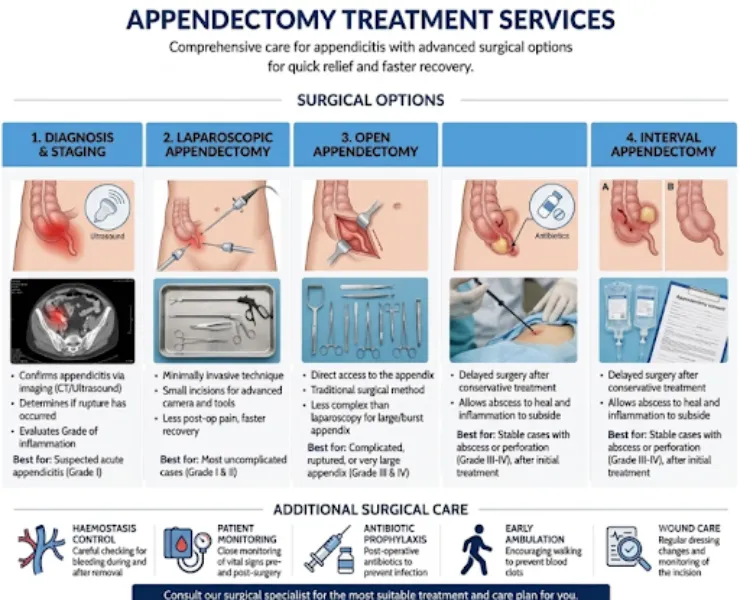
- Ultrasound
- CT imaging when appropriate
These findings help distinguish appendicitis from urinary, gastrointestinal and other conditions that can produce similar pain.
What Happens During Surgery
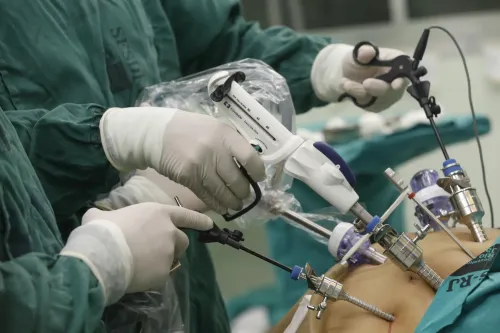
When surgery is appropriate, an Appendectomy may be performed using a laparoscopic approach in suitable patients.
Small incisions are made in the abdomen, and a camera allows the surgeon to visualise the appendix and surrounding structures. The inflamed appendix is then removed.
The operative plan may vary when perforation, an abscess or widespread infection is present.
Recovery Depends on the Severity
A patient undergoing surgery for uncomplicated appendicitis may have a different recovery from someone treated after perforation.
Hospital stay, antibiotics, dietary progression and return to activity therefore depend on the individual situation.
Patients should understand wound care instructions and seek medical review if concerning symptoms develop after discharge.
At BariFit By Dr. Parmeshwar, patients requiring advanced laparoscopic assessment can be evaluated based on their symptoms and investigation findings.
For people in Kharadi and nearby Pune communities, the key lesson is straightforward. Sudden or progressively worsening abdominal pain should be assessed based on its cause. When appendicitis is confirmed and surgery is indicated, timely treatment helps address the condition before further complications develop.
Keywords