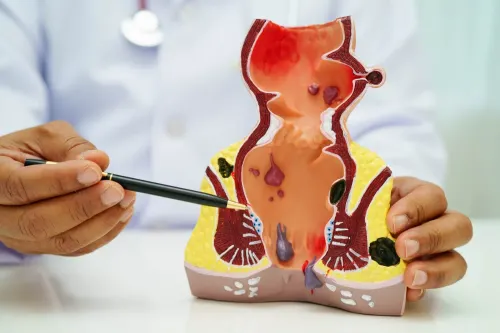
Bleeding, pain during bowel movements, discharge and swelling around the anus are frequently treated as if they are all manifestations of the same condition. They are not. Haemorrhoids, anal fissures, fistulas, abscesses and other colorectal problems can produce overlapping symptoms.
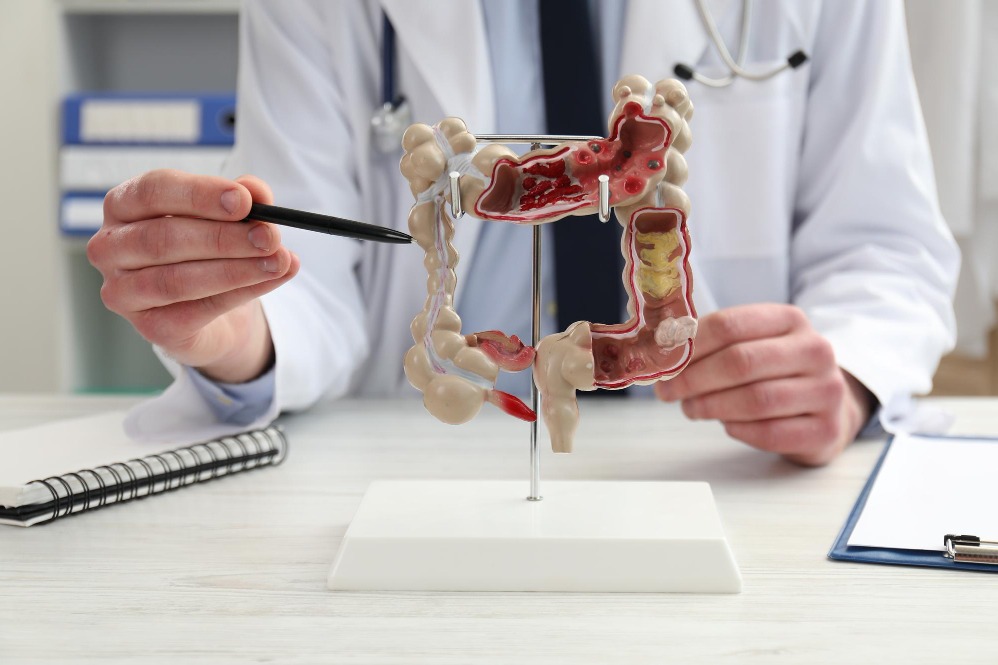
This is where Coloproctology becomes relevant. It focuses on disorders involving the colon, rectum and anus and helps patients move from symptom-based assumptions to a specific diagnosis.
For patients in Pune, Maharashtra, persistent anorectal symptoms are a good reason to consider a structured clinical evaluation rather than repeatedly changing home remedies.
What happens during a Coloproctology assessment
The consultation generally begins with the patient's symptoms and bowel habits.
A surgeon may ask about:
- Duration and frequency of bleeding
- Pain during or after bowel movements
- Constipation
- Swelling near the anus
- Pus or mucus discharge
- Previous abscesses
- Changes in bowel habits
- Unexplained weight loss
- Previous anorectal treatment
A physical examination may follow. Depending on symptoms, additional examination or investigations can be recommended.
Why diagnosis matters before treatment
Consider anal pain as an example. A fissure can produce sharp pain associated with bowel movements. A thrombosed external haemorrhoid may cause a painful lump. An abscess may cause progressively worsening pain and swelling.
Treating each of these as “piles” can delay appropriate care.
Similarly, rectal bleeding should be assessed rather than automatically attributed to haemorrhoids, especially when it persists or occurs with changes in bowel habits.
What treatment may involve
Colorectal treatment is diagnosis-specific. Management can range from dietary and bowel-habit modification to medication, office procedures and surgery.
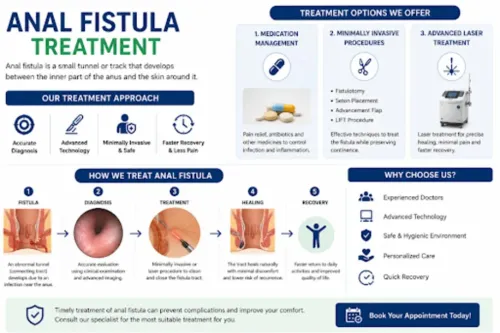
An anal fissure may initially be managed by reducing constipation and relaxing the anal sphincter with appropriate treatment. A fistula requires assessment of its tract and relationship with the sphincter muscles. Haemorrhoid management depends on their grade and symptoms.
This diagnosis-first approach helps avoid unnecessary procedures.
Preparation and recovery depend on the condition
There is no universal preparation plan for colorectal treatment. Patients undergoing a minor examination require different preparation from someone scheduled for surgery.
Before a procedure, the treating team may provide instructions about eating, drinking, medications and bowel preparation when required.
Recovery also varies. Some treatments permit relatively quick resumption of routine activities, while operations involving wounds around the anal region may need more time and structured wound care.
Post-treatment instructions commonly address hydration, stool consistency, hygiene, pain management and activity.
What are the potential benefits and risks
The primary benefit of specialist assessment is identifying the underlying problem so that treatment can be matched to it.
Any invasive colorectal procedure can carry risks. Depending on the operation, these can include pain, bleeding, infection, delayed healing, recurrence and problems related to bowel control. The surgeon should explain procedure-specific risks before treatment.
Frequently asked questions
Is rectal bleeding always due to piles?
No. Several anorectal and colorectal conditions can cause bleeding.
Will every Coloproctology consultation lead to surgery?
No. Treatment is based on the diagnosis and severity of the condition.
Should recurrent symptoms be reassessed?
Yes. Recurring symptoms deserve evaluation, particularly when their pattern changes.
At BariFit By Dr. Parmeshwar in Pune, evaluation of anorectal concerns can help distinguish between conditions that often appear similar to patients. Getting the diagnosis right is what makes the subsequent treatment plan meaningful.
Keywords