

People researching bariatric surgery often describe it simply as “making the stomach smaller.” That description misses important details about how the procedure works and why long-term eating habits, nutritional monitoring and follow-up remain necessary.
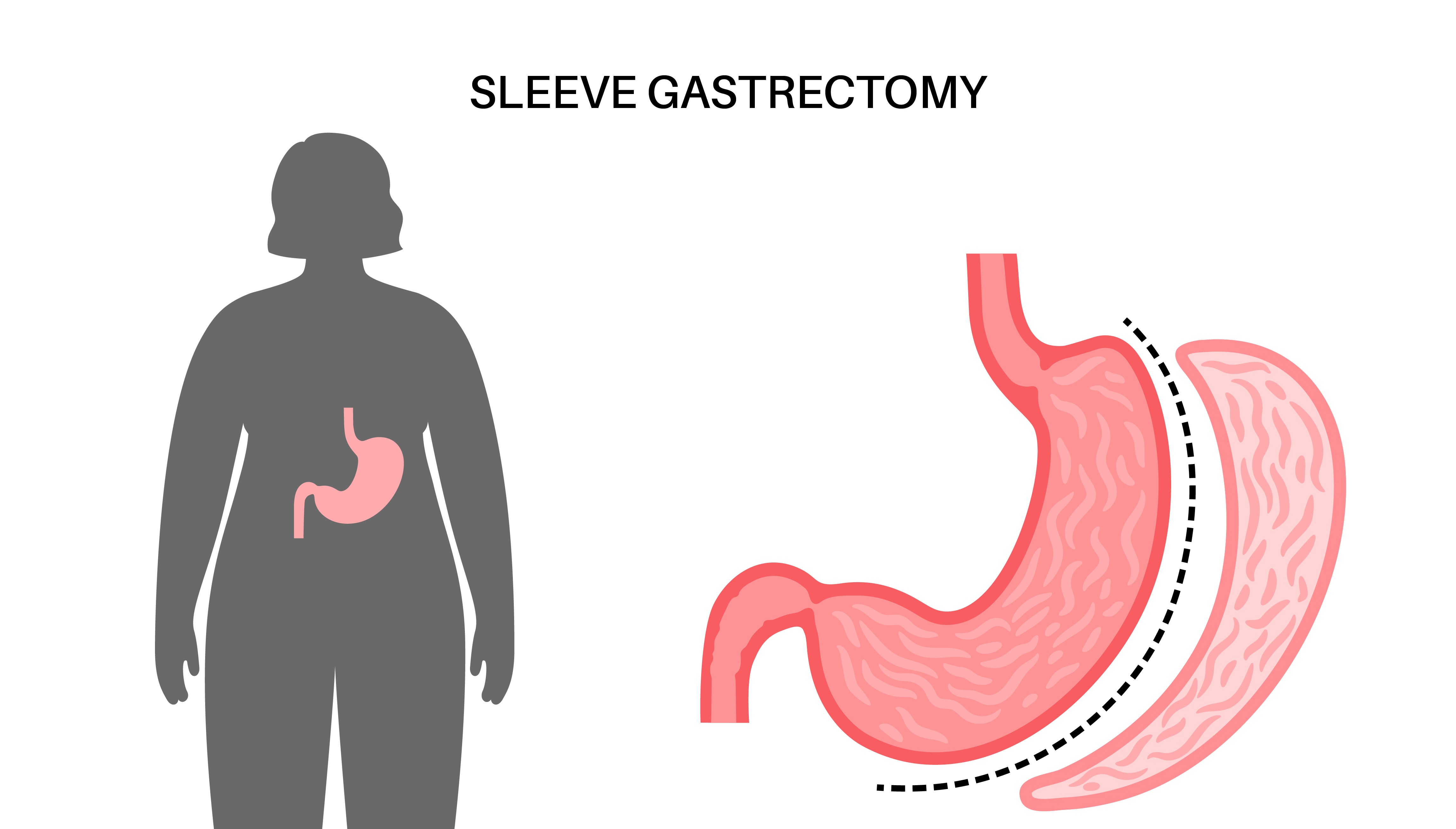
Sleeve Gastrectomy is a bariatric procedure in which a substantial portion of the stomach is surgically removed, leaving a narrower sleeve-shaped stomach.
For people living with obesity in Pune and elsewhere in Maharashtra, understanding what happens before and after surgery is essential before considering this procedure.
What happens during Sleeve Gastrectomy
The operation is commonly performed laparoscopically using small abdominal incisions. Surgical instruments and a camera are introduced, and part of the stomach is removed to create the gastric sleeve.
The digestive pathway through the intestines is not rerouted in the way it is with some other bariatric operations.
The procedure reduces stomach capacity and also affects physiological signals involved in appetite and satiety.
Who may be evaluated for surgery
Bariatric surgery is not selected on appearance or body weight alone. Assessment considers body mass index, obesity-related health conditions, previous weight-management attempts, nutritional status, medical history and the person's readiness for long-term changes.
Not every person with obesity requires surgery, and not every patient is suitable for the same bariatric procedure.
Preparation before the operation
Preoperative assessment may involve blood investigations, nutritional review and evaluation of obesity-related conditions. Additional tests can be required according to the patient's medical history.
Patients are usually counselled about:
- Dietary changes after surgery
- Portion sizes
- Protein intake
- Hydration
- Vitamin and mineral supplementation
- Physical activity
- Long-term follow-up
Understanding these responsibilities before surgery is as important as understanding the operation itself.
Recovery and eating progression
Early recovery involves gradually increasing activity while following the surgical team's dietary instructions.
Food typically progresses through stages rather than returning immediately to a normal solid diet. Patients may begin with liquids before moving through appropriate textures and eventually establishing a long-term eating pattern.
Exact progression and return-to-work timing depend on clinical recovery and the treating team's protocol.
Potential benefits
For appropriately selected patients, bariatric surgery can produce substantial weight loss and may improve several obesity-associated health problems.
The degree of benefit varies. Surgery should be viewed as a treatment tool combined with nutritional habits, activity, medical monitoring and follow-up rather than a standalone shortcut.
Risks patients need to understand
Early surgical risks can include bleeding, infection, blood clots and leakage from the staple line. Longer-term concerns may include reflux, nutritional deficiencies, inadequate weight loss and weight regain.
Because part of the stomach is removed, Sleeve Gastrectomy is not simply reversible by restoring the removed stomach.
Common questions
Will I be able to eat normally again?
Patients eventually progress toward solid foods, but portions and eating behaviour change significantly.
Does surgery eliminate the need for exercise and dietary care?
No. Lifestyle and nutritional follow-up remain central to long-term outcomes.
How much weight will I lose?
Weight-loss response differs between individuals and should be discussed using realistic clinical expectations.
At BariFit By Dr. Parmeshwar in Pune, bariatric assessment can help patients understand whether sleeve surgery fits their health profile and long-term goals. The decision should follow comprehensive evaluation rather than being based only on expected weight loss.