Piles can begin with symptoms that seem manageable, such as itching, discomfort during bowel movements, a small swelling near the anus, or occasional bleeding. Many people initially increase fibre, drink more water, or use over-the-counter preparations. These measures can be useful for mild symptoms, but persistent or recurring problems deserve proper evaluation.
For people in Pune and other parts of Maharashtra, understanding when Piles Treatment needs medical assessment can prevent months of self-treatment without knowing the actual cause.
What are piles
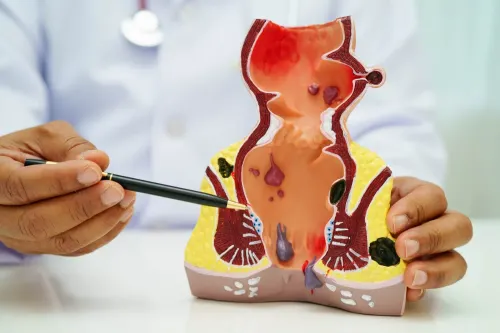
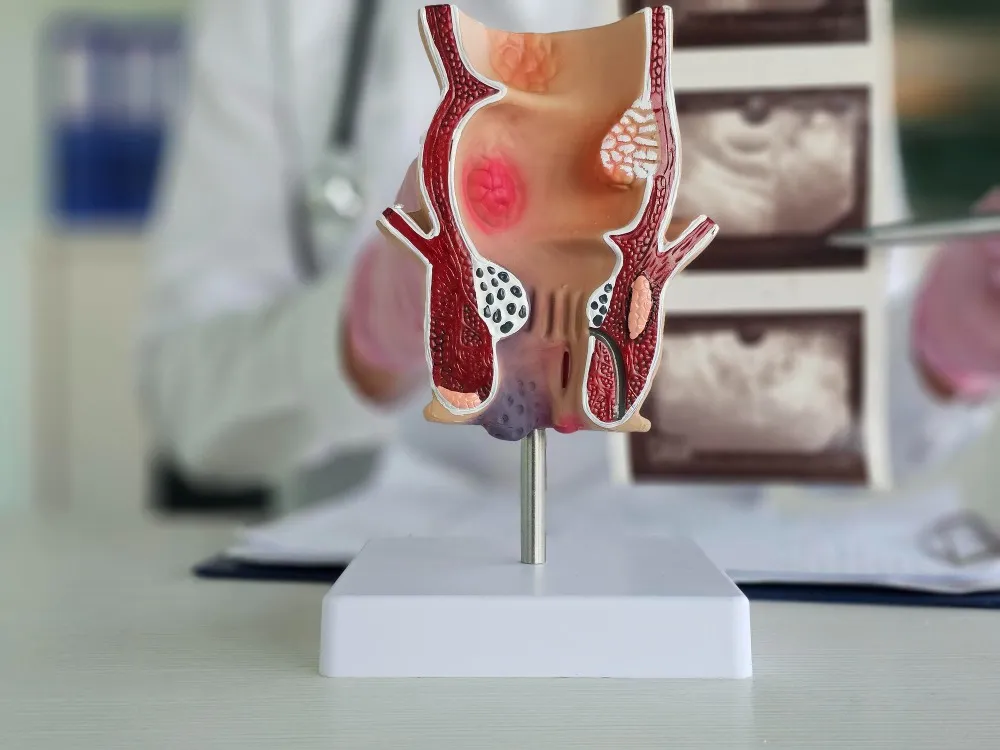
Piles, also called haemorrhoids, are swollen vascular cushions in or around the anal canal. Internal haemorrhoids develop inside the rectum, while external haemorrhoids occur beneath the skin around the anus.
Symptoms may include:
- Bright red bleeding during bowel movements
- Itching around the anus
- Swelling or a lump
- Discomfort while sitting
- Mucus discharge
- A feeling of incomplete evacuation
- Tissue protruding during bowel movements
Rectal bleeding should not automatically be assumed to be caused by piles because fissures, polyps and other colorectal conditions can produce similar symptoms.
How Piles Treatment is selected
Treatment depends on the type and grade of haemorrhoids, symptom severity, bowel habits and findings during examination.
Early management may involve increasing dietary fibre, adequate hydration, avoiding prolonged straining and addressing constipation. When symptoms continue despite these measures, a surgeon may discuss an office-based procedure or surgical treatment depending on the individual condition.
There is no single procedure suitable for every patient.
What happens before treatment
Assessment usually begins with a detailed discussion about bleeding, pain, constipation, previous episodes and medication use. Clinical examination and, when appropriate, proctoscopic evaluation can help determine whether haemorrhoids are responsible for the symptoms.
Patients should tell their surgeon about blood-thinning medicines, previous surgeries, chronic illnesses and allergies before a planned procedure.
Recovery after a procedure
Recovery time varies considerably according to the technique used. Some less invasive procedures allow an earlier return to routine activities, while surgical haemorrhoid treatment may require a longer recovery period.
During recovery, patients may be advised to maintain soft stools, drink sufficient fluids, use prescribed medicines appropriately and avoid unnecessary straining.
Pain, bowel movements and wound care should be discussed before discharge so that expectations are clear.
Benefits and possible risks
Appropriate treatment can reduce bleeding, prolapse and recurring discomfort when haemorrhoids are confirmed as the cause.
Potential risks vary by procedure and may include pain, bleeding, urinary difficulty, infection, recurrence and, less commonly, complications affecting the anal canal. Individual risk depends on the procedure and the patient's health.
Common questions about piles
Does every patient with piles need surgery?
No. Mild haemorrhoids can often be managed conservatively. Surgery is considered according to grade, symptoms and response to previous treatment.
Can piles return after treatment?
Recurrence is possible, particularly when constipation and repeated straining continue.
How quickly can normal work resume?
That depends on the procedure, the nature of the patient's work and individual recovery.
At BariFit By Dr. Parmeshwar, patients seeking assessment in Pune can be evaluated to determine whether their symptoms are actually caused by haemorrhoids and which treatment approach is appropriate. The important first step is diagnosis rather than choosing a procedure based only on symptoms.
Keywords