

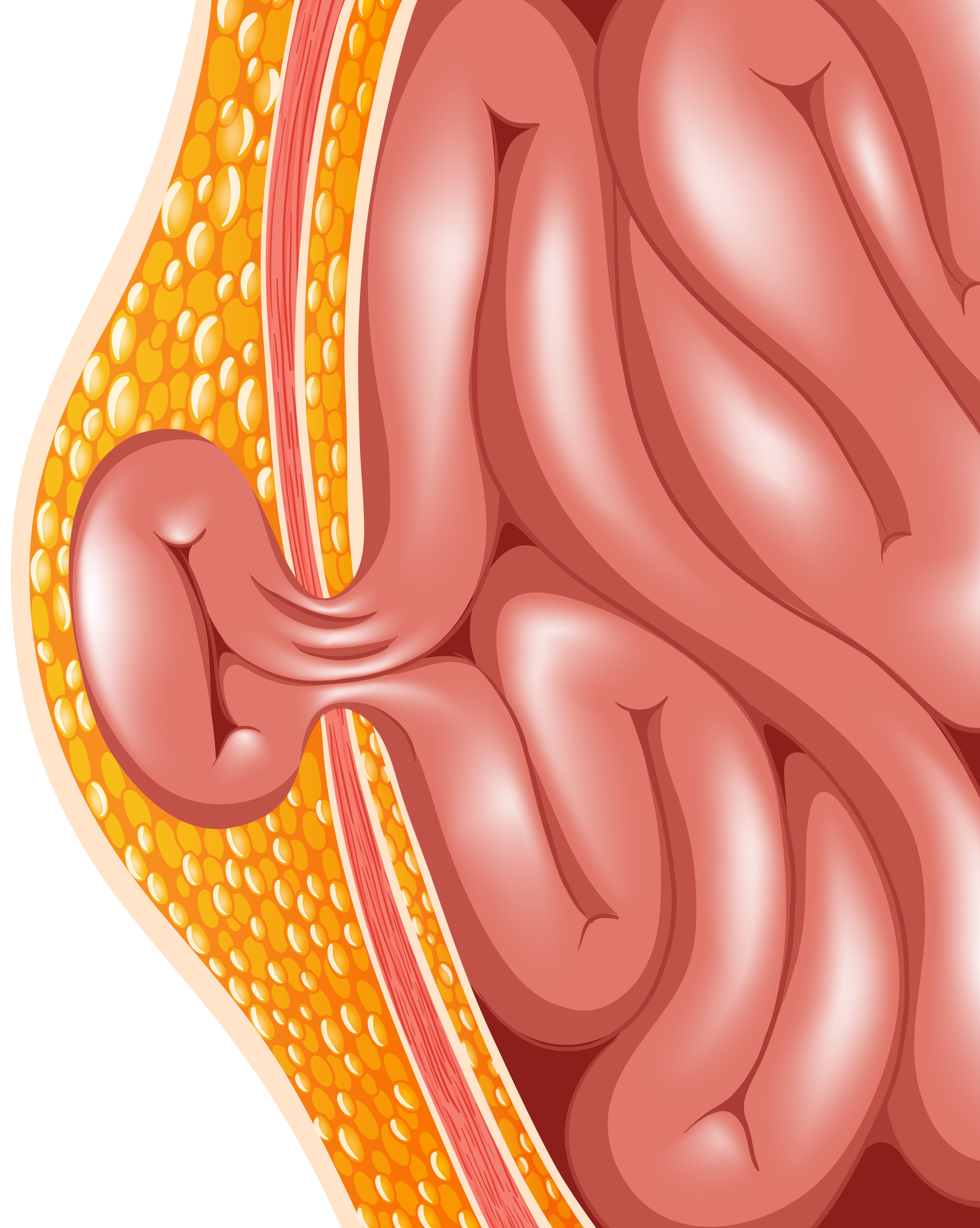
A hernia often begins as a bulge that becomes more noticeable while standing, coughing, lifting or straining. Some hernias cause little discomfort initially, while others gradually become painful or interfere with everyday activity.
When Hernia Surgery is being considered, the important questions go beyond whether the bulge can be repaired. Patients need to understand the type of hernia, surgical approach, expected recovery and factors that may influence recurrence.
For patients in Pune and across Maharashtra, a surgical consultation can help establish these details before a procedure is planned.
Why hernias develop
A hernia occurs when tissue pushes through a weak area in the surrounding muscle or connective tissue. Common types include inguinal, umbilical, incisional and ventral hernias.
Risk factors can include previous abdominal surgery, repeated straining, increased abdominal pressure and weakness of the abdominal wall.
A hernia generally does not disappear simply because discomfort settles temporarily.
How Hernia Surgery is performed
The operation may be performed through an open incision or using minimally invasive laparoscopic or robotic techniques in selected cases.
During repair, the protruding tissue is managed and the abdominal wall defect is repaired. Mesh may be used to reinforce the repair depending on the type of hernia and clinical circumstances.
The choice of technique depends on factors such as:
- Hernia location and size
- Previous abdominal operations
- Whether the hernia has recurred
- Patient health
- Surgeon assessment
- Complexity of the abdominal wall defect
A minimally invasive technique is not automatically the right option for every hernia.
Preparing for surgery
Preoperative evaluation may include medical history, examination and relevant investigations. Patients should provide a complete medication list, particularly if they take anticoagulants or antiplatelet medicines.
Smoking, uncontrolled blood glucose, obesity and other medical factors can influence wound healing and surgical risk. Where possible, these may need to be addressed before an elective operation.
Patients also receive fasting and medication instructions for the day of surgery.
What is recovery like
Recovery depends on the size and complexity of the repair and the surgical technique used. Walking is generally encouraged according to the surgeon's advice, while strenuous activity and heavy lifting may need to be restricted temporarily.
Patients should understand their individual return-to-work timeline rather than relying on a standard number of days found online.
Benefits and potential complications
Successful repair aims to correct the defect, relieve related symptoms and reduce the possibility of problems associated with an untreated hernia.
Possible complications include bleeding, infection, fluid collection, persistent pain, recurrence and complications related to mesh when mesh is used. Anaesthesia and surgery also carry general risks that vary according to individual health.
Sudden severe pain, vomiting, a tender irreducible swelling or abdominal distension can require urgent assessment because these symptoms may indicate an incarcerated or strangulated hernia.
Questions patients commonly ask
Does every hernia require immediate surgery?
Not necessarily. Timing depends on the hernia type, symptoms and risk profile.
Can a repaired hernia recur?
Recurrence is possible even after technically successful surgery.
Is laparoscopic repair always preferable?
No. Surgical technique should be selected for the individual hernia.
At BariFit By Dr. Parmeshwar, patients in Pune can undergo evaluation to understand the characteristics of their hernia before deciding on repair. A well-planned operation starts with selecting the approach that fits the patient rather than selecting a technique first.