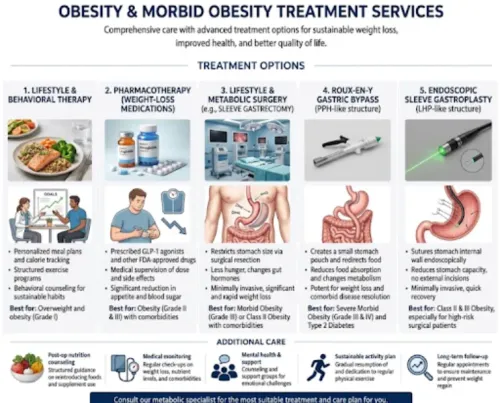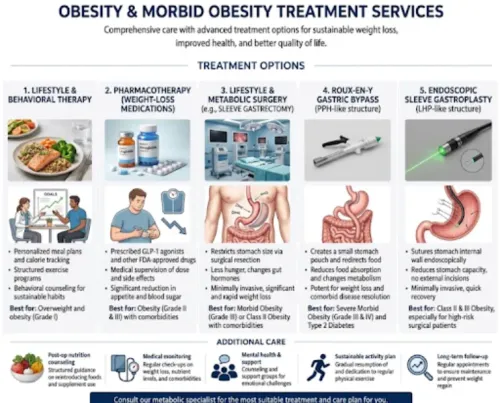
People considering bariatric surgery often come across several procedure names during their research. Understanding what each operation actually changes is essential before comparing potential benefits, limitations and long-term requirements.
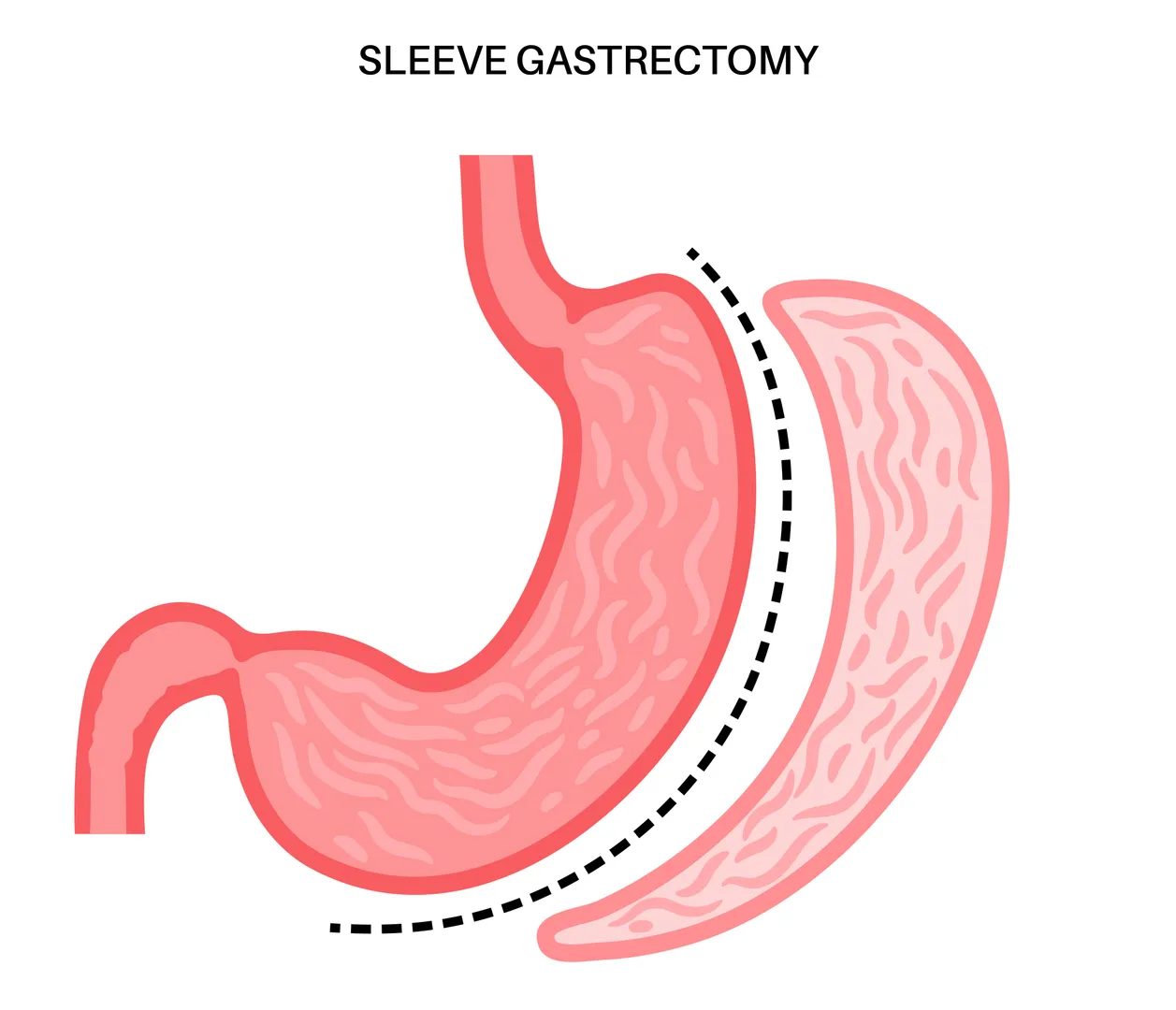
Sleeve Gastrectomy is a bariatric procedure in which a substantial portion of the stomach is surgically removed, leaving a narrower stomach. It is used as part of obesity treatment for appropriately selected patients.
For people considering bariatric treatment in Kharadi and Pune, Maharashtra, the decision should be based on medical assessment rather than choosing a procedure from online descriptions alone.
What Changes After Sleeve Surgery
During sleeve surgery, the stomach is reshaped into a smaller tubular structure.
This reduces stomach capacity and also affects physiological mechanisms involved in appetite and food intake. However, the procedure does not remove the need for long-term dietary habits and medical follow-up.
After surgery, patients typically need to progress gradually through stages of dietary intake according to their bariatric team's instructions.
Who May Be Considered
Bariatric surgery is not determined solely by someone's desire to lose a certain number of kilograms.
Evaluation commonly considers:
- BMI
- Obesity-related medical conditions
- Previous structured weight-management attempts
- Current eating patterns
- Medical and surgical history
- Anaesthesia risk
- Psychological readiness
- Ability to follow nutritional recommendations
- Long-term follow-up commitment
Other bariatric procedures may be more suitable in certain clinical situations.
Sleeve Surgery Requires Long Term Participation
One misconception is that surgery permanently controls weight regardless of what happens afterwards.
Sleeve Gastrectomy is a treatment tool within a broader obesity-management programme. Eating behaviour, food quality, physical activity and follow-up continue to matter.
Patients may need ongoing monitoring for nutritional deficiencies and other postoperative concerns.
Recommended supplements should be taken according to the bariatric team's guidance rather than stopped once the patient feels well.
Questions That Help Compare Bariatric Options
Before selecting a procedure, patients should understand why one operation is being recommended over another.
Useful questions include:
- Why is sleeve surgery suitable for my health profile?
- Are there reasons another bariatric procedure may be preferable?
- How could existing reflux affect the decision?
- What nutritional supplements will I require?
- How frequently will follow-up be needed?
- What dietary progression is required after surgery?
- What complications should I understand?
- What happens if weight regain occurs later?
These questions move the discussion beyond simply asking how much weight might be lost.
At BariFit By Dr. Parmeshwar, bariatric assessment in Kharadi can help patients understand whether surgical treatment is appropriate and which procedure may fit their individual clinical circumstances.
For patients across Pune considering weight-loss procedures, preparation is as important as the operation itself. Sustainable bariatric care includes appropriate patient selection, realistic expectations, nutritional planning and continued follow-up after the surgical recovery period has ended.
Keywords