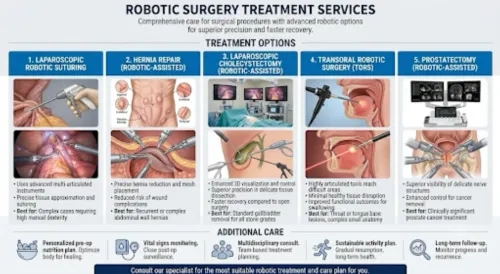


Surgical care has advanced significantly over the years, making many procedures safer, more precise, and more comfortable for patients. One of the biggest developments has been the growing use of Laparoscopic Surgery, a minimally invasive technique that allows surgeons to perform a wide range of operations through small incisions instead of a large surgical cut. For many patients, this approach offers a smoother recovery while delivering effective treatment for various abdominal conditions.
Today, laparoscopic techniques are commonly used for procedures such as hernia repair, gallbladder removal, appendectomy, bariatric surgery, and several colorectal surgeries. Although it is not suitable for every medical condition, it has become an important option in modern surgical practice.
What Is Laparoscopic Surgery?
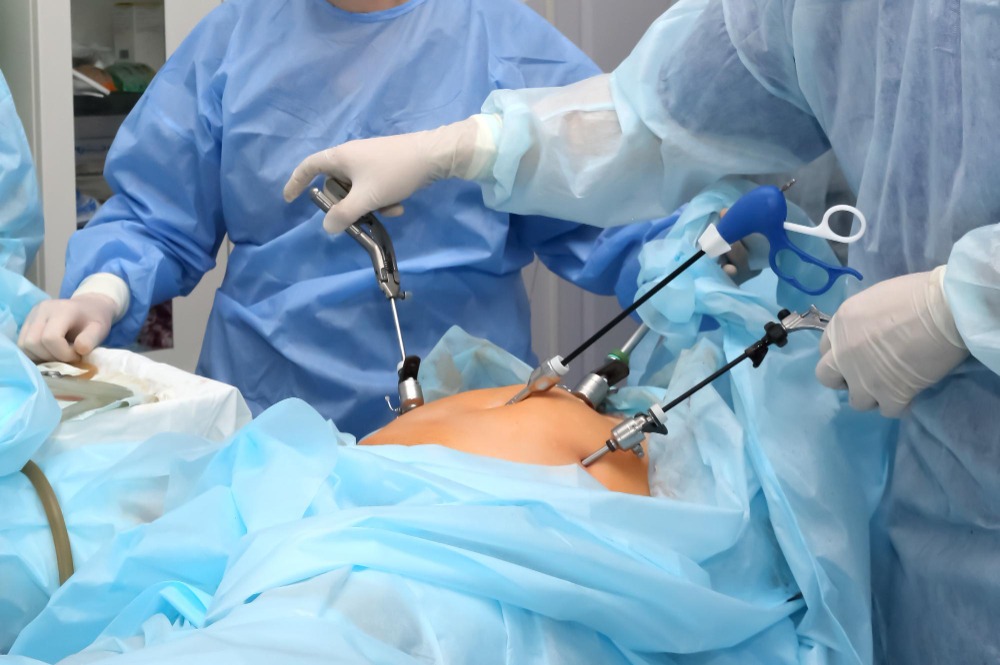
Laparoscopic Surgery is a surgical technique performed using a laparoscope, which is a thin instrument fitted with a high-definition camera and light source. The surgeon inserts this instrument through a small incision to obtain a clear view of the organs inside the abdomen.
Specialised surgical instruments are introduced through additional small openings to perform the procedure with precision. The camera projects magnified images onto a monitor, allowing the surgeon to operate with excellent visibility while minimising damage to surrounding tissues.
Which Conditions Can Be Treated?
Many common surgical conditions can be managed using laparoscopic techniques when appropriate.
These include:
- Hernias
- Gallbladder stones
- Appendicitis
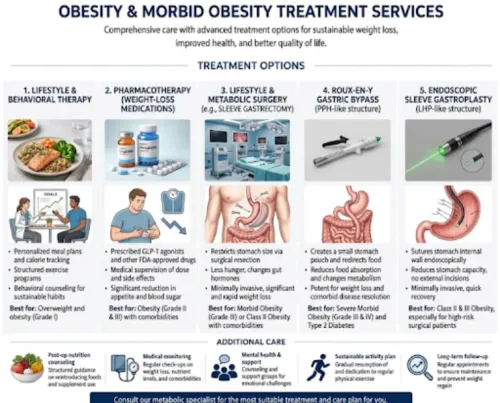
- Obesity requiring bariatric surgery
- Certain colorectal conditions
- Diagnostic abdominal procedures
- Selected gastrointestinal disorders
The choice between laparoscopic and open surgery depends on the patient's medical condition, previous surgeries, overall health, and the complexity of the procedure.
Benefits of Laparoscopic Surgery
One reason laparoscopic surgery has become widely accepted is the range of advantages it may offer compared with traditional open surgery.
Potential benefits include:
- Smaller incisions
- Less tissue trauma
- Reduced post-operative discomfort
- Lower risk of wound-related complications
- Shorter hospital stay
- Faster recovery
- Earlier return to work and daily activities
- Smaller surgical scars
Individual recovery varies depending on the type of operation and the patient's overall health.
Is Everyone a Suitable Candidate?
Although laparoscopic surgery is beneficial for many patients, it is not the right option for every situation.
Factors considered before recommending this approach include:
- The type of surgical condition
- Previous abdominal surgeries
- Existing medical illnesses
- Severity of the disease
- Emergency versus planned surgery
- Overall fitness for anaesthesia
A detailed consultation allows the surgeon to determine the safest and most effective treatment method.
What Happens Before Surgery?
Preparation plays an important role in achieving good surgical outcomes.
Patients may undergo:
- Medical examination
- Blood investigations
- Imaging studies if required
- Review of current medications
- Anaesthesia assessment
- Pre-operative counselling
Patients also receive instructions regarding fasting, medication adjustments, and post-operative recovery before the procedure.
Recovery After Laparoscopic Surgery
Recovery is generally quicker than with many traditional open procedures, although healing time varies depending on the surgery performed.
Patients are usually encouraged to:
- Begin walking as advised after surgery
- Follow dietary recommendations
- Drink adequate fluids
- Avoid heavy lifting during early recovery
- Take medications as prescribed
- Attend scheduled follow-up visits
Following these recommendations helps support safe healing and reduces the likelihood of complications.
Choosing an Experienced Surgical Team
The success of laparoscopic surgery depends not only on the technology but also on the experience and judgement of the surgical team. Patients should choose a surgeon who carefully evaluates each case, explains the available treatment options, and recommends laparoscopic surgery only when it is medically appropriate.
For individuals considering Laparoscopic Surgery in Kharadi, Pune, BariFit By Dr. Parmeshwar provides comprehensive surgical evaluation and personalized treatment planning across a range of gastrointestinal, colorectal, bariatric, and general surgical conditions. Every treatment recommendation is guided by clinical evidence and the patient's individual healthcare needs.
Modern Surgery Focuses on Better Recovery
Advances in minimally invasive surgery have transformed the way many common surgical conditions are treated. Smaller incisions, improved visualisation, and faster recovery have made laparoscopic techniques an important part of modern healthcare.
If you have been advised to undergo surgery, discussing whether a laparoscopic approach is suitable for your condition can help you better understand your treatment options. A detailed consultation with a qualified surgeon ensures that the chosen procedure aligns with your health needs while supporting a safe and effective recovery.