

For many people, losing weight begins with healthier eating habits, regular exercise, and lifestyle changes. While these approaches can be effective, they may not always deliver lasting results for individuals living with obesity or morbid obesity. When excess weight starts affecting overall health, mobility, and daily life, it may be time to explore medical treatment options. Weight Loss Surgery is not simply about appearance—it is a scientifically proven treatment that can help improve long-term health when recommended for the right candidate.
Obesity is now recognised as a chronic medical condition rather than a lifestyle choice. It can increase the risk of several health problems, including type 2 diabetes, high blood pressure, sleep apnea, joint disorders, fatty liver disease, infertility, and heart disease. If repeated attempts at weight loss have not been successful despite genuine effort, consulting a qualified bariatric surgeon can help determine the next appropriate step.
What Is Weight Loss Surgery?
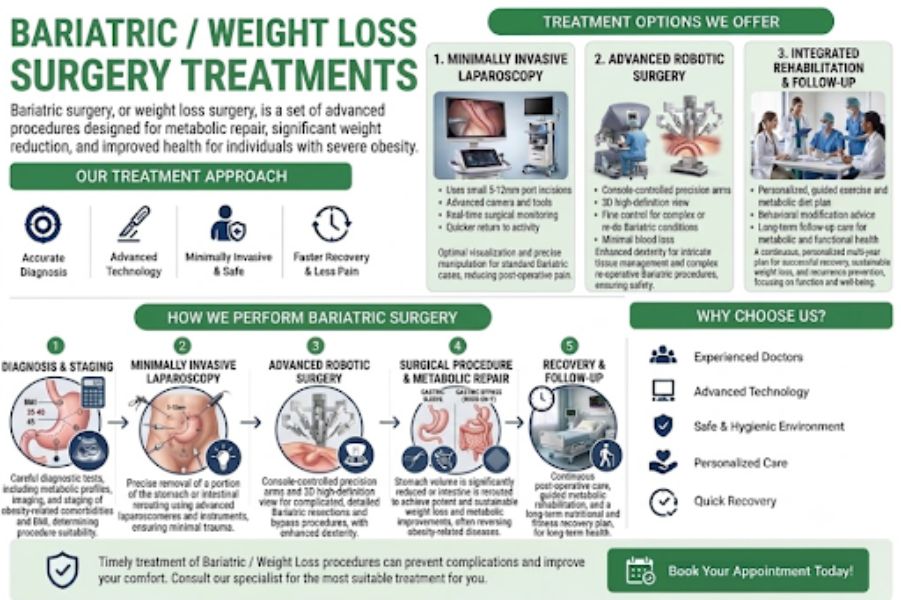
Weight Loss Surgery, also known as bariatric surgery, refers to a group of surgical procedures that help people achieve significant and sustained weight reduction. These procedures work by reducing the stomach's capacity and, in some cases, changing how the digestive system absorbs nutrients.
The objective is not only to help patients lose weight but also to improve obesity-related medical conditions and enhance overall quality of life. Unlike temporary weight-loss solutions, bariatric surgery is designed to support long-term health when combined with healthy eating habits and regular follow-up care.
Who Can Benefit from Weight Loss Surgery?
Not everyone who is overweight requires surgery. A detailed medical evaluation is necessary before deciding whether it is the right treatment.
A person may be considered for Weight Loss Surgery if they:
- Have obesity or morbid obesity affecting their health
- Have struggled to achieve lasting weight loss through supervised diet and exercise
- Have obesity-related conditions such as diabetes, hypertension, or sleep apnea
- Experience reduced mobility because of excess weight
- Are prepared to commit to lifelong dietary and lifestyle modifications
The decision is always personalized based on medical history, body mass index, existing health conditions, and overall treatment goals.
Common Types of Bariatric Surgery
Several surgical techniques are available today, and the most appropriate option depends on individual health needs.
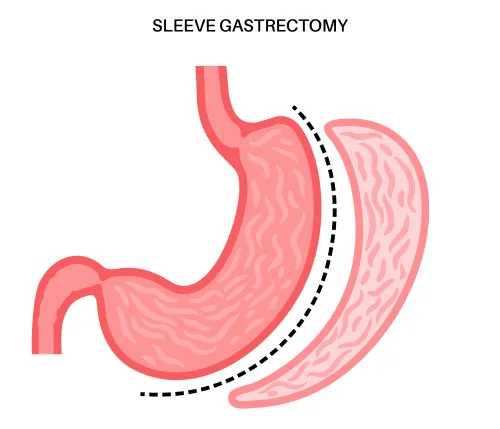
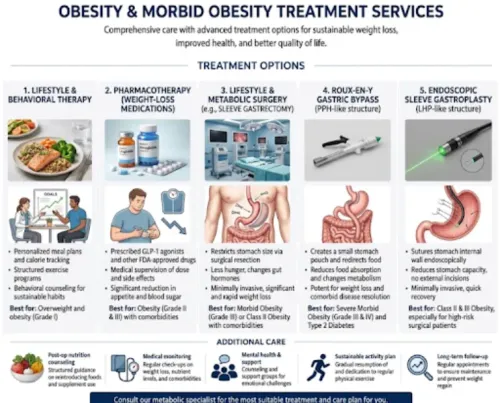
Sleeve Gastrectomy
Sleeve Gastrectomy involves removing a large portion of the stomach, leaving behind a narrow tube-like stomach. This limits food intake and also influences hormones responsible for hunger, making it easier for patients to manage portion sizes.
Gastric Bypass Surgery
Gastric Bypass Surgery creates a small stomach pouch and reroutes part of the small intestine. This reduces calorie absorption while helping patients feel full after eating smaller meals. It is often recommended for individuals with severe obesity or significant metabolic disorders.
Both procedures are commonly performed using minimally invasive laparoscopic techniques, allowing for smaller incisions and a smoother recovery for many patients.
Health Benefits Beyond Weight Loss
The advantages of bariatric surgery extend far beyond a lower number on the weighing scale.
Many patients experience improvements in:
- Blood sugar control
- High blood pressure
- Cholesterol levels
- Sleep quality
- Joint pain
- Physical mobility
- Energy levels
- Overall quality of life
Although individual outcomes vary, sustained weight reduction often helps lower the risk of developing additional obesity-related complications.
Preparing for Surgery
Weight loss surgery requires careful planning and preparation. Before recommending any procedure, specialists conduct a comprehensive assessment to understand each patient's health status.
The evaluation may include:
- Medical examination
- Blood tests
- Nutritional assessment
- Review of existing medical conditions
- Lifestyle counselling
- Discussion about expected recovery and long-term care
This thorough approach ensures that surgery is performed only when it is medically appropriate and likely to provide lasting benefits.
Life After Weight Loss Surgery
Successful outcomes depend not only on the operation but also on long-term lifestyle changes. Patients gradually progress from liquid to solid foods under medical supervision and are encouraged to adopt balanced eating habits, regular physical activity, and scheduled follow-up appointments.
Weight loss surgery should be viewed as a partnership between the patient and the healthcare team. Maintaining healthy habits after surgery plays a vital role in achieving long-term success.
Finding the Right Care
Choosing an experienced surgical team is an important part of the treatment journey. Patients should seek specialists who provide detailed consultations, explain every available option, and offer ongoing nutritional and medical support after surgery.
For those considering Weight Loss Surgery in Kharadi, Pune, BariFit By Dr. Parmeshwar provides personalized evaluation and evidence-based treatment planning for individuals dealing with obesity and related health concerns. Every treatment recommendation is made after understanding the patient's overall health and long-term goals.
Making an Informed Decision
Weight loss surgery is not a quick fix, nor is it suitable for everyone. However, for carefully selected patients, it can become an effective step towards improving health, managing obesity-related diseases, and enhancing daily life.
If excess weight is continuing to affect your health despite sincere efforts through diet and exercise, discussing your options with an experienced bariatric surgeon can help you understand whether Weight Loss Surgery is the right choice for your individual needs.