

Abdominal pain is one of the most common reasons people seek emergency medical care. While many stomach-related problems improve with rest or medication, pain caused by an inflamed appendix requires prompt medical attention. Knowing when an Appendectomy is needed can help prevent serious complications and support a smoother recovery.
The appendix is a small, finger-shaped pouch attached to the large intestine. Although its exact function is not fully understood, inflammation of the appendix, known as appendicitis, is a medical emergency. If left untreated, the appendix can rupture, leading to infection within the abdominal cavity. Early diagnosis and timely surgery remain the safest way to manage this condition.
What Causes Appendicitis?
Appendicitis usually develops when the appendix becomes blocked. The blockage may occur because of hardened stool, swollen lymph tissue, infection, or, less commonly, a growth inside the appendix.
Once blocked, bacteria multiply inside the appendix, causing inflammation, swelling, and increasing pressure. Without treatment, the appendix may burst, making the infection much more serious.
Although appendicitis can occur at any age, it is commonly seen in teenagers and young adults. However, children and older adults can also develop the condition.
Common Symptoms of Appendicitis
The symptoms of appendicitis may begin gradually but often become more severe within a short period.
Common warning signs include:
- Pain that usually starts near the navel before moving to the lower right side of the abdomen
- Pain that becomes worse while walking, coughing, or changing position
- Loss of appetite
- Nausea or vomiting
- Mild fever that may increase as the condition worsens
- Abdominal swelling
- Constipation or diarrhoea in some patients
Not every patient experiences the same symptoms, which is why professional evaluation is essential whenever abdominal pain persists or becomes severe.
Why Early Diagnosis Is Important
Many people delay seeking treatment because they believe the pain is caused by indigestion or food poisoning. Unfortunately, waiting too long increases the risk of complications.
An untreated appendix may rupture, allowing infection to spread throughout the abdomen. This condition, known as peritonitis, requires more extensive treatment and can result in a longer recovery period.
Early diagnosis allows surgery to be performed before complications develop, often resulting in a quicker and safer recovery.
How Is Appendicitis Diagnosed?
A surgeon evaluates the patient's symptoms through a combination of clinical examination and diagnostic investigations.
The assessment may include:
- Physical examination
- Blood tests to check for infection
- Urine examination to rule out urinary conditions
- Ultrasound scan
- CT scan when required
These investigations help confirm the diagnosis and determine whether surgery is necessary.
What Is an Appendectomy?
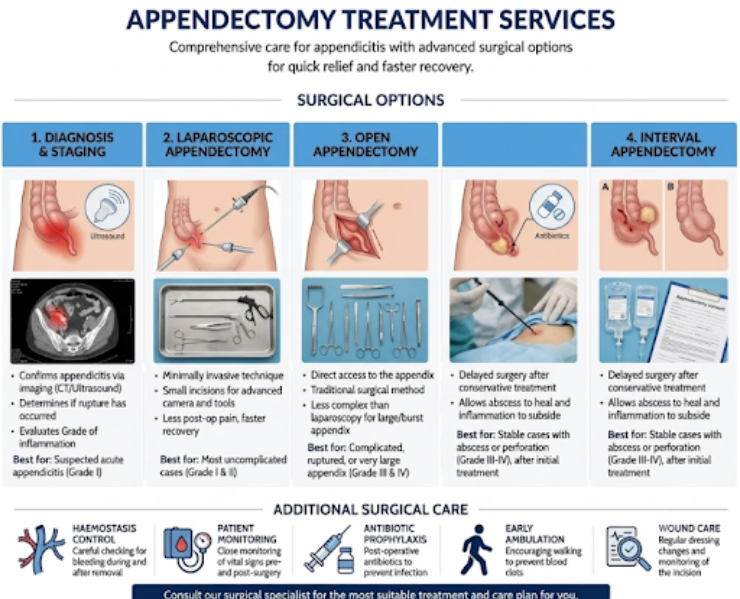
An Appendectomy is the surgical removal of the inflamed appendix. It is considered the standard treatment for acute appendicitis.
Depending on the patient's condition, the procedure may be performed using:
Laparoscopic Appendectomy
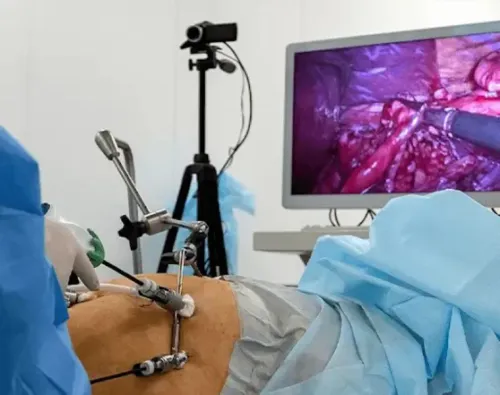
This minimally invasive approach uses small incisions and specialised surgical instruments. Many patients experience:
- Smaller scars
- Less post-operative discomfort
- Shorter hospital stay
- Faster recovery
- Earlier return to routine activities
Open Appendectomy
In certain situations, such as a ruptured appendix or widespread infection, an open surgical approach may be more appropriate. The surgeon recommends the safest option based on the patient's condition.
Recovery After Surgery
Recovery following an Appendectomy depends on the severity of the infection and the surgical technique used.
Patients are usually advised to:
- Begin walking as recommended after surgery
- Follow dietary instructions during recovery
- Avoid heavy lifting until cleared by the surgeon
- Keep the surgical wound clean
- Attend scheduled follow-up appointments
Most individuals gradually return to their normal routine once healing progresses, although recovery time varies from person to person.
Can Appendicitis Be Prevented?
There is no guaranteed way to prevent appendicitis. However, maintaining good digestive health through a balanced diet rich in fruits, vegetables, and fibre supports overall bowel function.
More importantly, recognising the warning signs and seeking prompt medical care offers the best chance of avoiding complications.
Ignoring persistent abdominal pain is never advisable, especially when it continues to worsen over several hours.
Choosing the Right Surgical Care
Timely surgical treatment plays an important role in achieving the best possible outcome. Patients should choose a surgeon who performs a careful evaluation, explains the diagnosis clearly, and recommends treatment based on clinical findings.
For individuals requiring an Appendectomy in Kharadi, Pune, BariFit By Dr. Parmeshwar provides comprehensive evaluation and modern surgical care using evidence-based techniques. Every patient receives an individualised treatment plan designed to prioritise safety and recovery.
Acting Early Makes a Difference
Appendicitis is one of the few abdominal conditions where delaying treatment can quickly increase the risk of serious complications. Recognising the symptoms early and consulting a qualified surgeon allows treatment to begin before the condition becomes more severe.
If you experience persistent pain in the lower right abdomen, especially when accompanied by fever, nausea, or vomiting, seeking immediate medical evaluation can help ensure timely treatment and a smoother recovery.