

Many people experience discomfort related to bowel movements, rectal pain, bleeding, or persistent digestive concerns but hesitate to seek medical advice because of embarrassment. Unfortunately, delaying treatment often allows these conditions to worsen, making them more difficult to manage. Coloproctology is a specialised branch of surgery dedicated to diagnosing and treating diseases of the colon, rectum, and anus. Understanding when to consult a specialist can lead to earlier diagnosis, effective treatment, and a better quality of life.
Digestive health plays an important role in overall well-being. While occasional constipation or minor discomfort may not always indicate a serious problem, symptoms that persist or repeatedly return deserve professional evaluation. Early medical attention can help identify the underlying cause before complications develop.
Understanding Coloproctology
Coloproctology focuses on conditions affecting the lower digestive tract, including the large intestine, rectum, anal canal, and surrounding tissues. Specialists in this field are trained to diagnose and treat a wide range of disorders using both medical and surgical approaches.
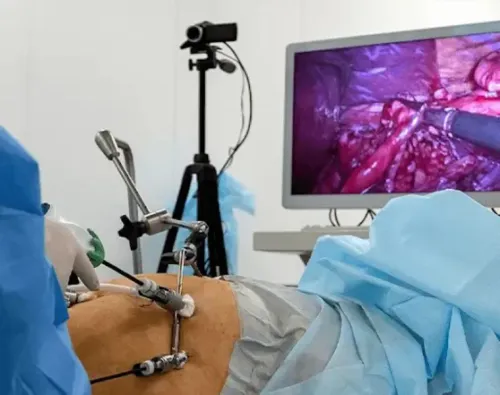
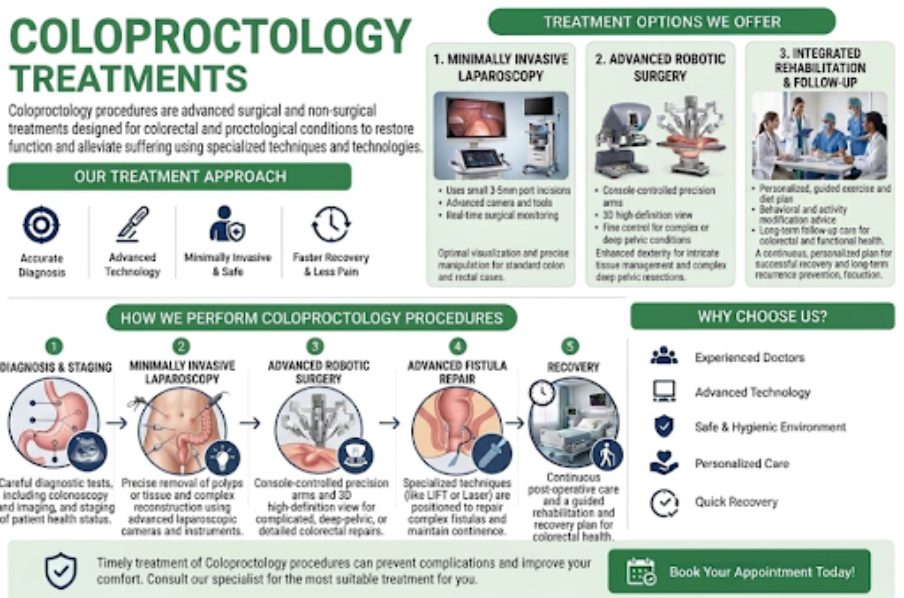
Advances in surgical technology have made many procedures minimally invasive, allowing patients to recover faster while experiencing less discomfort than with traditional surgery.
A coloproctologist carefully evaluates symptoms, medical history, lifestyle factors, and diagnostic findings before recommending the most appropriate treatment.
Common Conditions Treated by a Coloproctologist
Several conditions fall under the scope of coloproctology. Some are relatively common, while others require specialised surgical expertise.
These include:
- Piles (haemorrhoids)
- Anal fissures
- Anal fistulas
- Pilonidal sinus
- Rectal bleeding
- Chronic constipation
- Colon and rectal polyps
- Diverticular disease
- Inflammatory bowel conditions
- Colon and rectal cancers
Many of these conditions produce similar symptoms, making self-diagnosis unreliable. A proper examination is essential to determine the exact cause.
Symptoms That Should Not Be Ignored
People often assume that rectal discomfort will improve on its own. While this may happen occasionally, persistent symptoms should always be assessed by a qualified specialist.
Consider seeking medical advice if you experience:
- Bleeding during or after bowel movements
- Persistent pain around the anal region
- Swelling or lumps near the anus
- Discharge or pus from the anal area
- Recurrent constipation
- Difficulty passing stools
- Changes in bowel habits lasting several weeks
- Persistent itching around the anus
- Unexplained abdominal discomfort
Early diagnosis often leads to simpler and more effective treatment options.
How Is the Diagnosis Made?
A consultation usually begins with a detailed discussion of symptoms, medical history, dietary habits, and lifestyle. Depending on the condition, the specialist may recommend a physical examination or additional investigations.
These may include:
- Digital rectal examination
- Proctoscopy
- Colonoscopy
- Blood investigations
- Imaging studies when required
These diagnostic tools help identify the exact condition and guide treatment planning.
Modern Treatment Options
Treatment depends on the diagnosis, severity of symptoms, and the patient's overall health.
Many conditions respond well to:
- Dietary modifications
- Increased fibre intake
- Hydration
- Medications
- Lifestyle changes
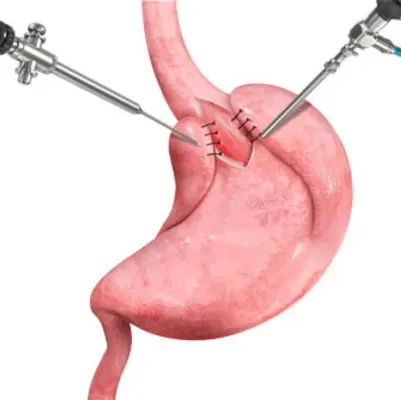
However, some conditions require surgical treatment. Modern laparoscopic and minimally invasive techniques have significantly improved patient outcomes by reducing pain, shortening hospital stays, and allowing quicker recovery.
Procedures for fistulas, pilonidal sinus, advanced piles, and colorectal conditions are now more precise than ever before.
Why Early Treatment Matters
Ignoring colorectal symptoms may increase the risk of complications. Conditions such as fistulas can become more complex over time, while chronic bleeding may contribute to anaemia. Persistent inflammation can also affect daily comfort and productivity.
Early medical intervention offers several advantages:
- Accurate diagnosis
- Better treatment outcomes
- Reduced risk of complications
- Faster recovery
- Improved long-term bowel health
Seeking professional care at the right time often prevents small problems from becoming major health concerns.
Maintaining Good Colorectal Health
Simple lifestyle habits can help reduce the risk of several colorectal conditions.
Helpful practices include:
- Eating a fibre-rich diet
- Drinking adequate water
- Staying physically active
- Avoiding prolonged sitting on the toilet
- Responding promptly to the urge to pass stools
- Maintaining a healthy body weight
- Scheduling routine health check-ups when recommended
Although these habits support digestive health, they do not replace professional evaluation when symptoms persist.
Choosing the Right Specialist
Selecting an experienced colorectal surgeon is important for receiving an accurate diagnosis and personalized treatment. A specialist should carefully evaluate each patient's condition, explain available treatment options, and recommend an approach based on clinical findings rather than assumptions.
For individuals looking for specialised Coloproctology care in Kharadi, Pune, BariFit By Dr. Parmeshwar offers comprehensive evaluation and advanced surgical management for a wide range of colorectal conditions. The focus remains on evidence-based care tailored to each patient's individual needs.
Taking the First Step Towards Better Digestive Health
Many colorectal conditions are highly treatable when diagnosed early. Ignoring symptoms because of embarrassment can delay recovery and increase the likelihood of complications.
If you have been experiencing ongoing bowel-related symptoms, rectal discomfort, or unexplained bleeding, consulting a qualified coloproctology specialist can provide clarity, appropriate treatment, and peace of mind. Early evaluation is often the first step towards restoring comfort and improving long-term digestive health.