

Piles are one of the most common anorectal conditions, yet many people delay seeking medical attention because they feel embarrassed discussing their symptoms. As a result, what begins as occasional discomfort can gradually progress to persistent pain, bleeding, or swelling that affects everyday life. Understanding the available Piles Treatment options can help patients seek timely care and avoid unnecessary complications.
Piles, also known as haemorrhoids, are swollen blood vessels located inside or around the anus. They may develop due to increased pressure in the lower rectum and are often associated with constipation, prolonged sitting, pregnancy, obesity, or repeated straining during bowel movements. While mild piles may improve with lifestyle changes, more advanced cases often require medical or surgical treatment.
What Causes Piles?
Several everyday habits and health conditions can contribute to the development of piles.
Common causes include:
- Chronic constipation
- Frequent straining during bowel movements
- Sitting on the toilet for prolonged periods
- Low-fibre diet
- Pregnancy
- Obesity
- Lack of regular physical activity
- Age-related weakening of supporting tissues
Although these factors increase the risk, piles can affect adults of all ages.
Recognising the Symptoms
The symptoms of piles vary depending on their type and severity.
Common signs include:
- Bright red bleeding during bowel movements
- Pain or discomfort around the anus
- Itching or irritation
- Swelling near the anal opening
- A lump that may be felt during cleaning
- Mucus discharge after passing stools
- A feeling of incomplete bowel emptying
Some people experience only occasional symptoms, while others may notice increasing discomfort that interferes with daily activities.
When Should You See a Surgeon?
Not every episode of rectal bleeding is caused by piles. Other digestive conditions can produce similar symptoms, making professional evaluation important.
Medical consultation is recommended if:
- Bleeding continues to recur
- Pain becomes severe
- A swelling does not reduce
- Symptoms interfere with daily activities
- Home remedies fail to provide lasting relief
- There is unexplained weight loss or persistent changes in bowel habits
Early diagnosis ensures that the correct condition is identified and treated appropriately.
Understanding Piles Treatment
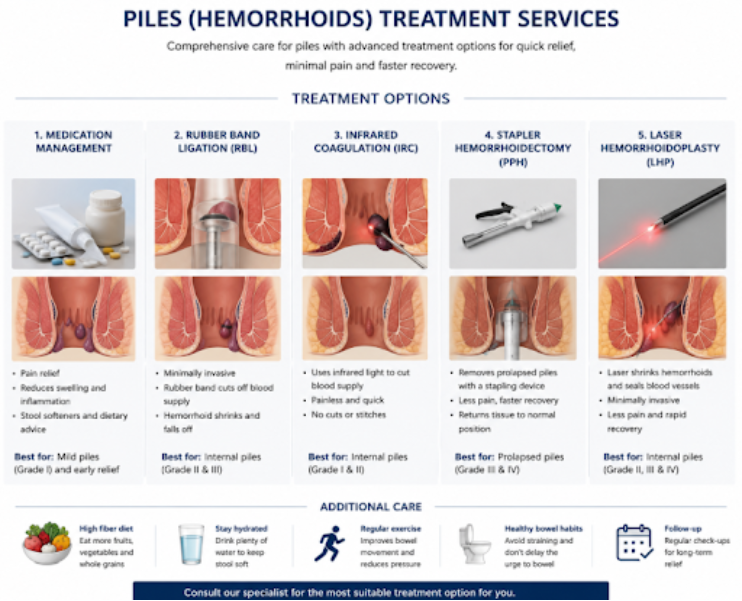
Treatment depends on the severity of the haemorrhoids and the patient's symptoms.
Lifestyle Changes
Mild piles may improve with:
- Increased fibre intake
- Adequate hydration
- Regular exercise
- Avoiding prolonged sitting
- Healthy bowel habits
These measures help reduce pressure on the anal veins and may prevent symptoms from worsening.
Medical Management
Doctors may prescribe medications to reduce pain, inflammation, or discomfort in selected cases. However, medicines usually provide symptom relief rather than permanently removing enlarged piles.
Surgical Treatment
Advanced or persistent piles may require surgery. Modern surgical techniques focus on reducing discomfort while helping patients recover more comfortably. The most suitable procedure depends on the grade of piles, the severity of symptoms, and the patient's overall health.
A colorectal surgeon recommends treatment after a thorough clinical evaluation.
Recovery After Treatment
Recovery depends on the treatment performed and the patient's individual condition.
Patients are generally encouraged to:
- Eat a fibre-rich diet
- Drink sufficient water
- Avoid constipation
- Stay physically active
- Follow prescribed medications
- Attend follow-up appointments
These measures support healing and help reduce the likelihood of recurrence.
Can Piles Be Prevented?
Although not every case can be prevented, healthy bowel habits can significantly reduce the risk.
Helpful practices include:
- Eating plenty of fruits, vegetables, and whole grains
- Drinking enough fluids throughout the day
- Exercising regularly
- Responding promptly to the urge to pass stools
- Avoiding unnecessary straining
- Limiting prolonged sitting
Maintaining these habits benefits overall digestive health while reducing pressure on the rectal veins.
Choosing the Right Surgical Care
The most appropriate treatment varies from one patient to another. A detailed examination helps determine the cause of symptoms and identify the best management plan.
For individuals looking for Piles Treatment in Kharadi, Pune, BariFit By Dr. Parmeshwar provides comprehensive evaluation and advanced surgical care based on each patient's condition. Treatment recommendations are made after careful assessment, ensuring that patients receive personalized and evidence-based care.
Early Care Can Improve Comfort and Recovery
Many people continue to live with piles for months or even years because they hope the symptoms will disappear on their own. In reality, delaying treatment often allows the condition to progress.
If you experience recurring bleeding, pain, or swelling during bowel movements, consulting a qualified colorectal surgeon can help identify the cause and determine the most suitable Piles Treatment. Early diagnosis often leads to more effective management and a smoother recovery.