

A hernia may begin as a small swelling that appears only when coughing, lifting heavy objects, or standing for long periods. Many people ignore these early signs because the discomfort is mild or comes and goes. However, a hernia does not heal on its own, and delaying treatment can increase the risk of complications over time. Understanding when Hernia Surgery becomes necessary can help patients make informed decisions about their health.
A hernia develops when an internal organ or fatty tissue pushes through a weak area in the surrounding muscle or connective tissue. Although some hernias remain stable for a period, most gradually become larger and may cause increasing discomfort during daily activities.
What Causes a Hernia?
Several factors can contribute to the development of a hernia. In many cases, it results from a combination of muscle weakness and increased pressure inside the abdomen.
Common causes and risk factors include:
- Heavy lifting without proper support
- Persistent coughing
- Chronic constipation
- Obesity
- Pregnancy
- Previous abdominal surgery
- Age-related weakening of muscles
- Family history of hernias
While these factors may increase the risk, a hernia can affect adults of any age.
Common Types of Hernias
Different types of hernias occur in different parts of the body. Identifying the type helps determine the most appropriate treatment.
Inguinal Hernia
The most common type, occurring in the groin area. It is more frequently seen in men but can also affect women.
Femoral Hernia
Usually found near the upper thigh and more common in women.
Umbilical Hernia
Develops around the belly button and may occur in both adults and children.
Incisional Hernia
Forms through the site of a previous abdominal surgery where the muscles have weakened.
Each type requires proper medical evaluation to determine the best course of treatment.
Symptoms That Should Not Be Ignored
The symptoms of a hernia often vary depending on its size and location.
You should consult a surgeon if you notice:
- A visible lump or swelling
- Pain while lifting heavy objects
- Discomfort during coughing or bending
- A feeling of pressure or heaviness in the abdomen
- Swelling that becomes larger over time
- Pain that interferes with normal activities
Emergency medical attention is necessary if the swelling becomes painful, cannot be pushed back in, or is associated with nausea, vomiting, fever, or severe abdominal pain, as these may indicate a trapped or strangulated hernia.
Why Hernia Surgery Is Often Recommended
Unlike muscle strains, hernias do not repair themselves naturally. Support belts or lifestyle modifications may temporarily reduce discomfort but do not close the weakness in the abdominal wall.
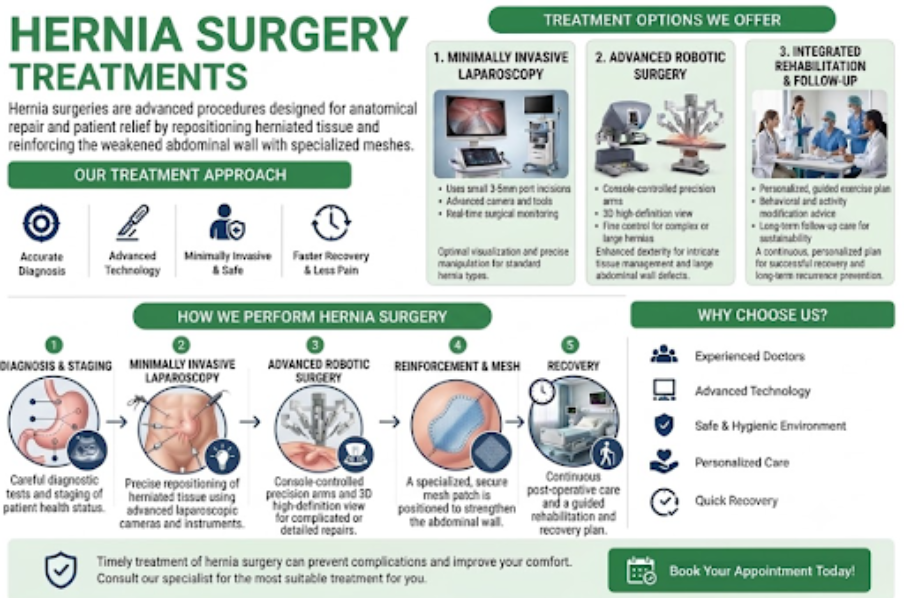
Hernia Surgery repairs the weakened area and prevents the hernia from enlarging or causing serious complications. The procedure is planned after a thorough clinical assessment and is recommended based on the patient's symptoms, overall health, and the type of hernia.
Early surgery is often less complicated than treating an advanced hernia that has been left untreated for years.
Open Surgery and Laparoscopic Surgery
Modern hernia treatment offers different surgical approaches depending on the patient's condition.
Open Hernia Repair
This traditional technique involves making an incision over the hernia and strengthening the weakened area, often using a surgical mesh when appropriate.
Laparoscopic Hernia Surgery
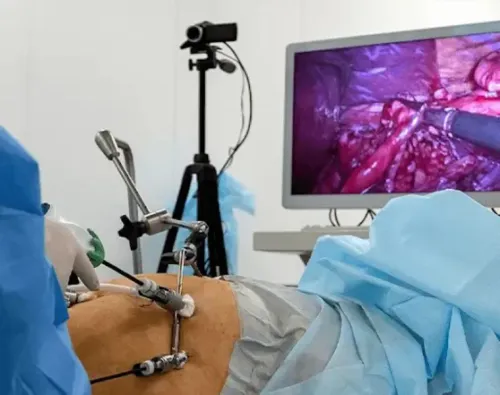
Laparoscopic surgery uses small incisions, specialised instruments, and a camera to repair the hernia. Many patients benefit from:
- Smaller surgical scars
- Reduced post-operative discomfort
- Shorter hospital stay
- Faster recovery
- Earlier return to routine activities
Not every patient is a suitable candidate for laparoscopic surgery, making individual evaluation essential.
Recovery After Hernia Surgery
Recovery depends on the type of hernia, the surgical technique used, and the patient's overall health.
Most patients are encouraged to begin gentle walking soon after surgery to support circulation and healing. During recovery, doctors usually recommend:
- Avoiding heavy lifting for several weeks
- Following a balanced, protein-rich diet
- Drinking adequate fluids
- Preventing constipation
- Attending scheduled follow-up visits
- Returning to physical activities gradually
Following medical advice carefully helps ensure proper healing and reduces the likelihood of recurrence.
Choosing the Right Surgical Care
Selecting an experienced surgeon plays an important role in successful hernia treatment. Patients should look for a specialist who performs a detailed evaluation, explains available treatment options clearly, and recommends surgery based on individual medical needs rather than a one-size-fits-all approach.
For people considering Hernia Surgery in Kharadi, Pune, BariFit By Dr. Parmeshwar provides comprehensive assessment and personalized surgical care using modern treatment techniques whenever appropriate. The focus remains on patient safety, accurate diagnosis, and long-term recovery.
Taking Action Before the Hernia Progresses
A hernia may start with only mild discomfort, but postponing treatment can allow the condition to worsen over time. Early evaluation helps identify the severity of the hernia and allows treatment to be planned before complications arise.
If you have noticed a persistent swelling, discomfort during daily activities, or symptoms that interfere with your routine, consulting a qualified surgeon can help you understand your options. Timely Hernia Surgery not only addresses the existing problem but also supports a safer return to everyday life with greater comfort and confidence.