

A small swelling or recurring discharge near the tailbone may not seem like a serious health concern at first. Many people ignore these symptoms, hoping they will resolve on their own. However, when the problem repeatedly returns or becomes painful, it may indicate a pilonidal sinus. Modern Endoscopic Pilonidal Sinus Treatment offers an advanced approach that can help manage this condition with minimal tissue damage and a faster recovery compared to conventional methods.
A pilonidal sinus is a small tunnel that develops beneath the skin, usually near the cleft between the buttocks. It often contains hair, debris, and infected tissue. Although anyone can develop this condition, it is more commonly seen in young adults, people who sit for long hours, and individuals with dense body hair.
What Causes a Pilonidal Sinus?
The exact cause varies, but most cases develop when loose hair penetrates the skin and triggers inflammation. Repeated friction and pressure in the area increase the likelihood of infection.
Several factors may contribute to the condition, including:
- Prolonged sitting
- Excess body hair
- Obesity
- Poor local hygiene
- Repeated friction around the tailbone
- Family history
- Previous pilonidal infections
Without proper treatment, the sinus may continue to become infected and cause repeated discomfort.
Symptoms That Should Not Be Ignored
The condition often begins with mild irritation but can become increasingly troublesome over time.
Common symptoms include:
- Pain near the tailbone
- Swelling or a small lump
- Redness around the affected area
- Discharge of pus or blood
- Foul-smelling drainage
- Difficulty sitting comfortably
- Recurrent infections
If fever accompanies these symptoms, prompt medical evaluation is recommended because it may indicate a more significant infection.
Why Does the Problem Keep Returning?
One of the frustrating aspects of a pilonidal sinus is its tendency to recur if the entire sinus tract is not adequately treated. Temporary drainage may provide short-term relief during an acute infection, but it may not eliminate the underlying sinus.
A detailed evaluation helps determine the extent of the sinus and identify the most suitable treatment approach.
What Is Endoscopic Pilonidal Sinus Treatment?
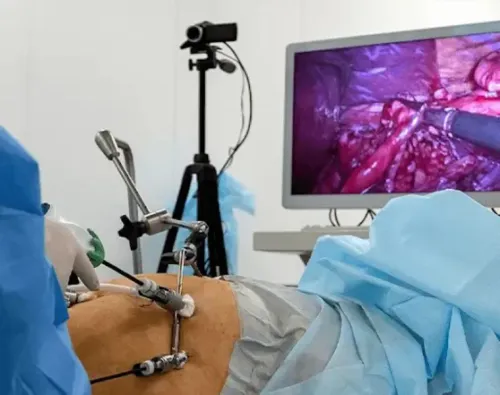
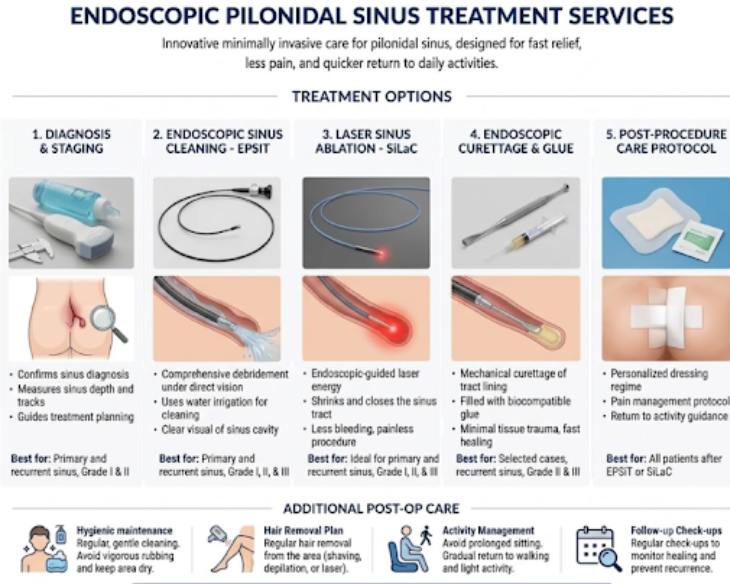
Endoscopic Pilonidal Sinus Treatment is a minimally invasive procedure that allows the surgeon to directly visualise the sinus tract using a specialised endoscopic instrument.
During the procedure, infected tissue, hair, and debris are carefully removed while preserving the surrounding healthy tissue. The surgeon can inspect the sinus from within, allowing for precise treatment.
Compared with traditional open surgery, this modern technique aims to minimise tissue injury while effectively treating the sinus.
Benefits of the Endoscopic Approach
Many patients and surgeons prefer the endoscopic technique because it offers several potential advantages.
These may include:
- Smaller surgical openings
- Reduced tissue damage
- Less post-operative discomfort
- Faster wound healing
- Earlier return to routine activities
- Improved cosmetic outcome
- Better visualisation of the sinus tract during treatment
The suitability of this approach depends on the individual patient's condition and should be determined after clinical assessment.
Recovery After Treatment
Recovery is usually guided by the extent of the disease and the procedure performed.
Patients are generally advised to:
- Keep the area clean and dry
- Follow wound care instructions carefully
- Avoid prolonged sitting during early recovery
- Maintain good personal hygiene
- Remove excess hair if advised by the surgeon
- Attend scheduled follow-up visits
Following these recommendations helps promote healing and reduce the possibility of recurrence.
Can a Pilonidal Sinus Be Prevented?
Although not every case can be prevented, certain lifestyle measures may reduce the likelihood of recurrence after treatment.
Helpful habits include:
- Maintaining a healthy body weight
- Avoiding prolonged uninterrupted sitting
- Keeping the area clean
- Removing excessive hair when recommended
- Wearing comfortable clothing that reduces friction
These simple steps support better long-term skin health around the tailbone region.
Choosing the Right Surgical Care
Successful treatment begins with an accurate diagnosis and an individualised treatment plan. Patients should consult a surgeon experienced in managing pilonidal sinus disease using modern techniques whenever appropriate.
For individuals considering Endoscopic Pilonidal Sinus Treatment in Kharadi, Pune, BariFit By Dr. Parmeshwar provides comprehensive evaluation and advanced minimally invasive surgical care based on each patient's clinical condition. Treatment recommendations are made only after a detailed assessment to ensure the most suitable approach.
Early Treatment Can Prevent Ongoing Discomfort
Ignoring a pilonidal sinus often leads to repeated infections, recurring drainage, and increasing discomfort that affects work, travel, and daily activities. Seeking medical evaluation early allows the condition to be treated before it becomes more extensive.
If you notice persistent swelling, discharge, or pain near the tailbone, consulting a qualified surgeon can help determine whether Endoscopic Pilonidal Sinus Treatment is the right option for achieving lasting relief and a smoother recovery.