

Gallstones are a common digestive condition that affects many adults, yet they often remain unnoticed until symptoms begin to interfere with everyday life. Some people discover gallstones during a routine health check-up, while others experience sudden episodes of severe abdominal pain that require immediate medical attention. Understanding the available Gall Bladder Stone Treatment options can help patients make informed decisions and seek care before complications develop.
The gallbladder is a small organ located beneath the liver. Its primary role is to store bile, a digestive fluid that helps break down fats. When substances such as cholesterol or bilirubin harden inside the gallbladder, they can form stones of different sizes. Some gallstones remain harmless, while others block the flow of bile and cause significant discomfort.
What Causes Gallstones?
Gallstones develop for a variety of reasons, and several factors may increase the likelihood of their formation.
Common risk factors include:
- Obesity
- Rapid weight loss
- Diabetes
- Pregnancy
- High-cholesterol diet
- Family history of gallstones
- Increasing age
- Certain liver conditions
Having one or more of these risk factors does not necessarily mean a person will develop gallstones, but understanding them helps identify individuals who may benefit from medical evaluation.
Symptoms That May Indicate Gallstones
Many people with gallstones have no symptoms at all. These are often called silent gallstones and may not require immediate treatment.
However, when a stone blocks the bile duct, symptoms can appear suddenly.
Common signs include:
- Pain in the upper right side of the abdomen
- Pain after eating fatty meals
- Pain that spreads to the back or right shoulder
- Nausea or vomiting
- Indigestion or bloating
- Recurrent episodes of abdominal discomfort
If symptoms are accompanied by fever, yellowing of the skin or eyes, or persistent vomiting, urgent medical care is necessary because these may indicate a more serious complication.
How Are Gallstones Diagnosed?
A surgeon begins by reviewing the patient's symptoms and medical history before recommending diagnostic tests.
Common investigations include:
- Physical examination
- Blood tests
- Abdominal ultrasound
- MRI or specialised imaging when required
Ultrasound is usually the first imaging test because it can clearly identify gallstones and evaluate the condition of the gallbladder.
Understanding Gall Bladder Stone Treatment
Treatment depends on whether the gallstones are causing symptoms.
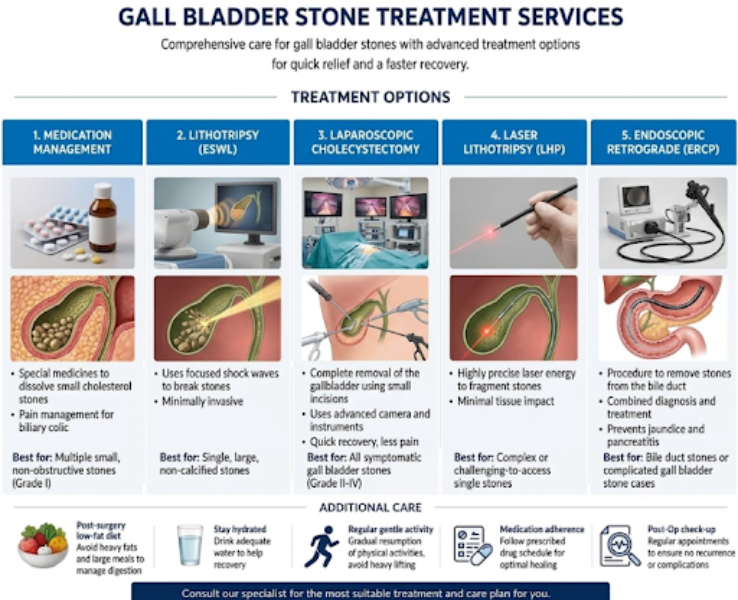
Observation
If gallstones are discovered accidentally and are not causing any discomfort, immediate treatment may not be necessary. The doctor may recommend regular monitoring while advising patients about symptoms that require prompt medical attention.
Medications
In selected cases, medicines may help dissolve certain types of gallstones. However, this approach is suitable only for specific patients and often requires a prolonged treatment period. Stones may also recur after medication is stopped.
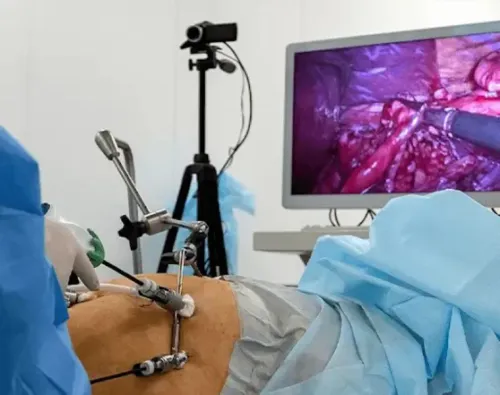
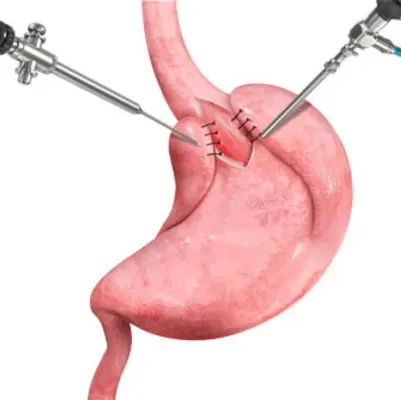
Laparoscopic Gallbladder Surgery
For symptomatic gallstones, surgical removal of the gallbladder remains the most effective treatment.
Laparoscopic surgery is widely preferred because it offers several advantages, including:
- Small incisions
- Reduced post-operative discomfort
- Faster recovery
- Shorter hospital stay
- Earlier return to daily activities
The liver continues to produce bile after surgery, allowing most people to digest food normally.
What Happens After Surgery?
Recovery following laparoscopic gallbladder surgery is generally smooth for most patients.
Doctors usually recommend:
- Walking soon after surgery
- Gradually returning to a normal diet
- Drinking adequate fluids
- Avoiding heavy lifting for a short period
- Attending follow-up appointments
Most patients are able to resume their normal routine within a few weeks, depending on their individual recovery.
Can Gallstones Be Prevented?
Although gallstones cannot always be prevented, certain lifestyle habits may reduce the risk.
These include:
- Maintaining a healthy body weight
- Eating a balanced diet rich in fibre
- Limiting excessive fatty foods
- Exercising regularly
- Avoiding rapid crash diets
- Managing diabetes effectively
These measures support overall digestive health but do not eliminate the possibility of developing gallstones.
Choosing the Right Surgical Care
Selecting an experienced surgeon is an important part of successful treatment. Patients benefit from specialists who provide accurate diagnosis, explain every treatment option clearly, and recommend surgery only when it is medically appropriate.
For individuals seeking Gall Bladder Stone Treatment in Kharadi, Pune, BariFit By Dr. Parmeshwar offers comprehensive evaluation and advanced laparoscopic surgical care tailored to each patient's condition. Every treatment plan is based on clinical findings and the patient's overall health.
Seeking Timely Medical Advice
Gallstones may remain silent for years, but once symptoms begin, delaying treatment can increase the risk of complications such as gallbladder infection, bile duct blockage, or pancreatitis.
If you experience recurring abdominal pain after meals, especially in the upper right side of the abdomen, consulting a qualified surgeon can help identify the cause and determine the most appropriate Gall Bladder Stone Treatment for long-term digestive health.