

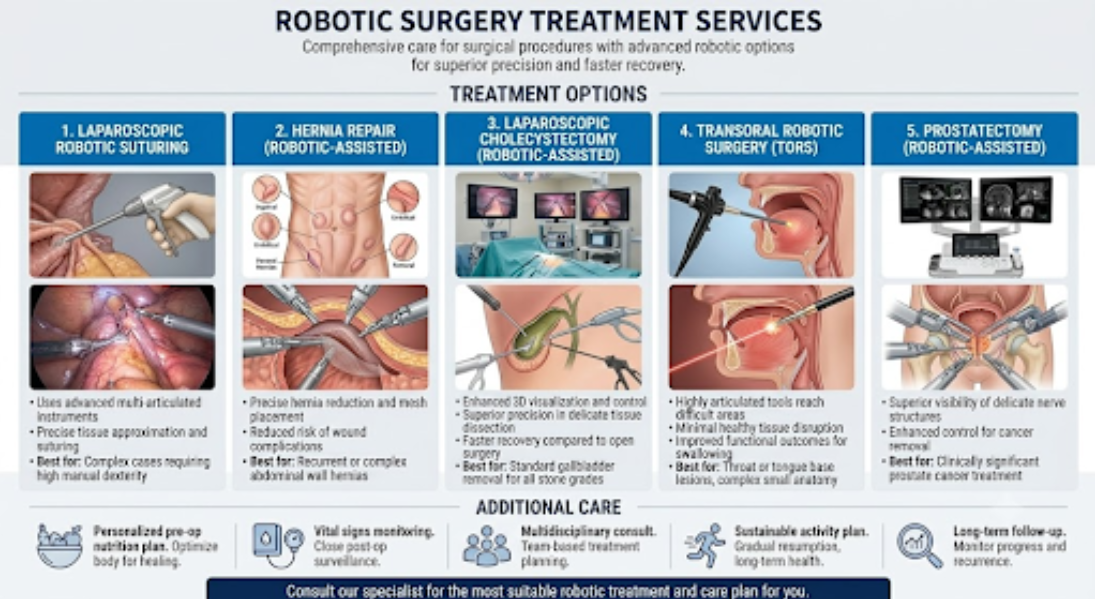
When an abdominal condition requires an operation, patients increasingly hear about minimally invasive techniques that may reduce the need for large surgical incisions. Robotic Surgery is one such approach, but the term can sometimes create the wrong impression about how the procedure actually works.
The robot does not perform the operation independently. The surgeon controls the system throughout the procedure. The technology translates the surgeon's movements into precise movements of specialised instruments placed inside the patient's body.
For patients in Kharadi and across Pune, Maharashtra, understanding the role of robotic-assisted techniques can make it easier to have an informed discussion about available surgical options.
How Robotic Assisted Procedures Work
A robotic surgical system typically combines a surgeon-controlled console, a high-definition visualisation system and specialised instruments. Small incisions are made to introduce the camera and instruments into the surgical area.
The surgeon then operates the instruments from the console while viewing a magnified image of the internal anatomy.
Depending on the procedure, this approach can provide:
- Detailed visualisation of the operating area
- Articulating instruments with a wide range of movement
- Precise control in confined anatomical spaces
- Minimally invasive access through small incisions
- Greater manoeuvrability during technically demanding steps
These characteristics can be useful when careful dissection and suturing are required.
Which Conditions May Be Suitable
Robotic-assisted techniques can be used for selected abdominal and gastrointestinal procedures. Their suitability depends on the condition, anatomy and complexity of the operation rather than the availability of the technology alone.
A surgeon may consider factors such as:
- The exact diagnosis
- Size and location of the problem
- Previous abdominal operations
- Presence of scar tissue
- General health and medical history
- Complexity of reconstruction or suturing
- Alternative laparoscopic approaches
Some procedures can be managed effectively using conventional laparoscopy, while others may present circumstances in which robotic assistance is considered useful.
How It Differs From Conventional Laparoscopy
Both conventional laparoscopy and robotic-assisted surgery are minimally invasive approaches.
During conventional laparoscopy, the surgeon directly manipulates long instruments inserted through small incisions. In robotic-assisted procedures, the surgeon controls articulated instruments through the robotic platform.
The appropriate approach therefore cannot be determined simply by asking which technology is newer. The decision should reflect the patient's diagnosis and the technical requirements of the operation.
What Patients Should Ask Before Surgery
Patients considering Robotic Surgery can use their consultation to clarify several practical points:
- Why is robotic assistance being considered?
- Is conventional laparoscopic surgery also suitable?
- What investigations are required before surgery?
- What are the procedure-specific risks?
- How long might hospitalisation be required?
- What restrictions may apply during recovery?
- When can normal activities usually resume?
These questions help patients understand the reasoning behind the proposed surgical plan.
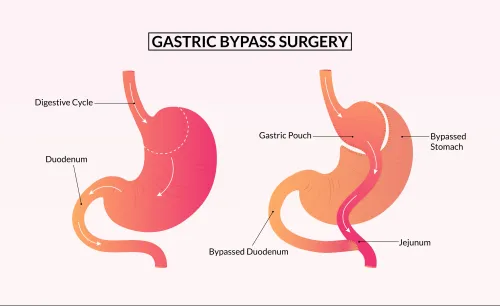
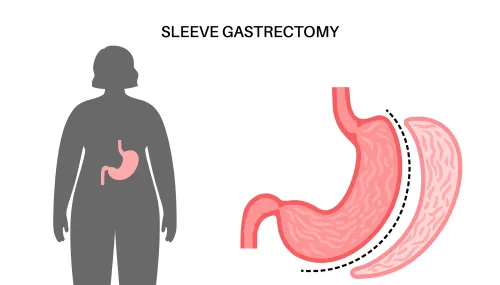
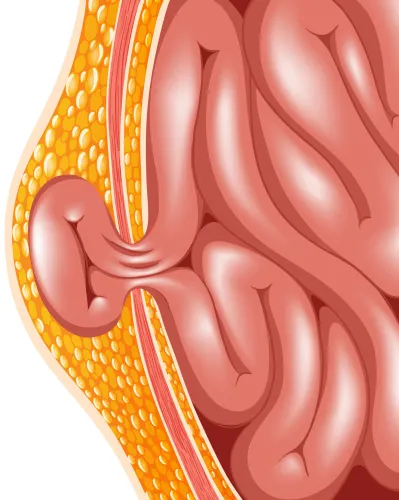
At BariFit By Dr. Parmeshwar, patients requiring bariatric, hernia and advanced laparoscopic procedures can be assessed according to their diagnosis, medical history and individual surgical requirements.
For people seeking surgical care in Kharadi and the wider Pune region, the important consideration is not simply whether robotic technology is available. Appropriate patient selection, accurate diagnosis and the surgeon's experience with the required procedure remain central to planning treatment.